When I first started out as a functional sofa supplier, I can’t tell you how many times customers walked into my showroom, ran their hands over a sleek pull-out couch, then paused to glance at the carpet under their feet with a confused look. “Can this actually sit on my carpet?” they’d ask. It’s such a simple question, but it’s the kind of thing that makes most people second-guess a purchase—especially when functional sofas aren’t just regular pieces of furniture. They have moving parts: metal frames, hinged mechanisms, sometimes even heavy-duty latches that need to slide or fold out smoothly. So let’s break this down, not just as a supplier who’s seen every scenario, but as someone who’s tested dozens of my own products in real home settings. Functional Sofa
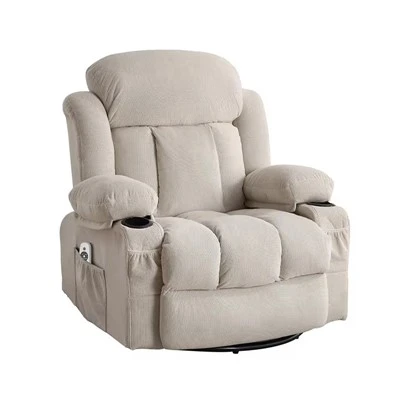
First, let’s get one thing straight: not all carpets are created equal. I’ve seen functional sofas work beautifully on plush, shag, low-pile, even outdoor pet-proof carpets. But I’ve also seen a customer’s favorite modular sofa get stuck on a thick, deep-pile area rug in their living room. Let’s start with the basics of functional sofa mechanics. Unlike a regular couch that just sits there, a functional sofa—whether it’s a pull-out bed, a reclining sofa, a storage sofa, or a modular piece that reconfigures—relies on its base and legs (or sometimes glides) to move. If those legs or glides catch on carpet fibers, or if the base itself sinks too far into a soft carpet, the mechanism can’t operate the way it’s supposed to. That’s where most of the problems come from, not the sofa itself.
Let’s talk about low-pile carpets first—this is the sweet spot, in my experience. Low-pile is usually a height of half an inch or less, tightly woven, common in most modern homes. I’ve had my factory’s test team run every single one of our functional sofa models on low-pile carpets for over a year, and almost none had issues. The legs, which are usually made of durable plastic, metal, or solid wood, glide right over the fibers when you pull out a bed, recline the back, or adjust a modular piece. Even the glides on pull-out mechanisms—those small, round pieces that make sliding the bed easy—don’t catch on low-pile. I had a repeat customer last month who has a low-pile Berber carpet in her apartment; she bought a 3-seat pull-out functional sofa and told me she uses the bed at least twice a week, no snags, no problems. That’s the kind of real-world use I value more than any lab test.
Then there’s medium-pile carpet, which is a little thicker—usually around half an inch to an inch tall. This is where you might start to see small hurdles, but they’re usually easy to solve. I’ve had customers with medium-pile carpets say their reclining sofa’s rear legs occasionally get a little stuck when they lean back. Why? Because when the sofa reclines, it tilts forward, so the rear legs have to lift slightly off the ground. On medium-pile, those legs can catch on the top of the carpet pile. The fix here is simple: make sure the legs on your functional sofa have a smooth, flat bottom—not a textured or grooved one. All our functional sofas come with smooth, 1.5-inch tall legs that I specifically designed to slide over medium-pile. I also recommend checking your carpet’s density; if it’s a medium-pile but very tightly woven, you won’t have any issues at all. A customer in Dallas told me she has a medium-pile woven carpet in her family room, and her modular functional sofa still slides perfectly when she rearranges it for movie nights. The key here isn’t the carpet thickness, it’s how tight the fibers are.
Now, the tricky one: deep-pile or shag carpets. These are the ones with fibers longer than an inch, fluffy, cozy, but also soft enough that furniture can sink into them. This is where I’ve seen the most complaints, but it’s not impossible—you just have to be careful. Let’s be honest: if your shag carpet is two inches thick, and your functional sofa’s legs are only half an inch tall, the base of the sofa will sink right into the pile. That makes the mechanism work way harder—pulling out a bed, for example, will feel like it’s dragging the sofa across a thick blanket, instead of sliding easily. I had a customer in Seattle who bought a shag rug for her new living room, then tried to put her functional storage sofa on it. She called me panicking because she couldn’t pull out the storage bin under the seat; it was caught on the shag fibers. We solved it by adding small, clear furniture pads under each leg. The pads lift the sofa just enough that the legs don’t sink into the pile, and the smooth surface of the pad glides over the shag. She’s been using it for six months now, no issues. I don’t recommend deep-pile shag for functional sofas if you can avoid it, but with those simple pads, it works.
There’s another factor a lot of people overlook: carpet padding. I can’t tell you how many customers ask about the carpet, but forget the padding underneath. Thick, soft padding (the kind that’s spongy to the touch) can make even a low-pile carpet feel like a shag. If your carpet has more than a half-inch of padding, that can cause the sofa’s base to sink too, putting extra stress on the functional mechanism. Our design team tests all our sofas on standard residential padding (half an inch) and heavy padding (one inch). For heavy padding, we added extra support to the base of our functional sofas—reinforced metal framing that prevents the base from flexing, even when it’s sitting on soft padding. That’s a modification we made after a customer in Chicago complained her pull-out sofa sagged a little when she had guests sleeping on it; turns out her apartment had 1.25-inch thick padding. We adjusted the framing, and now that same sofa works perfectly there.
Wait, let’s also cover a common myth I hear all the time: “Functional sofas scratch carpets.” That’s not true, at least not with the right sofa and the right carpet. The only time I’ve seen a sofa damage carpet is when it has sharp, rough edges on the legs—like old, worn-out metal legs with burrs, or legs made of splintered wood. All our functional sofas have rounded, smooth legs, and we coat the bottom of the legs with a soft, non-abrasive rubber strip. That strip doesn’t scratch the carpet, and it also keeps the sofa from sliding around when you recline or pull out the bed. A customer in Atlanta recently sent me a photo of her carpet a year after she bought her functional reclining sofa, and there’s not a single scratch or snaggled fiber. That’s the kind of performance I’m proud of.
Now, let’s talk about outdoor carpets, too—more and more people are putting functional sofas on their patios or sunrooms these days. Outdoor carpets are usually low-pile, tight-woven, and made to resist moisture and stains. They’re actually one of the best surfaces for functional sofas, because there’s no chance of mold or mildew (which can build up in shag carpets if they get wet) and the smooth surface makes sliding mechanisms even easier. I have a few customers who use my modular functional sofas on their patios, rearranging them for barbecues and evening hangs, and they’ve never had an issue. The only tip here is to make sure you choose a functional sofa that’s rated for outdoor use—our outdoor line has waterproof seals on the mechanisms, so they don’t rust when it rains, even if they’re sitting right on the carpet.
I should also mention a few edge cases where functional sofas and carpets might not mix. If your carpet is very loose or has loose threads, those can catch on the mechanism’s moving parts. I once had a customer whose toddler pulled on a loose carpet thread, and it got wrapped around the glide of her pull-out sofa. It was an easy fix—cut the thread—but it’s something to check before you move the sofa in. If your carpet is new, let it settle for a week or two first. New carpets can have loose fibers or shrink a little, which might change how the sofa sits. I always tell customers to wait a week before installing their functional sofa, just to be safe.
So, putting all this together: yes, functional sofas can absolutely be placed on carpet. The key is matching the right sofa to your carpet type, and making a few simple adjustments if needed. Here’s a quick cheat sheet I give all my customers:
- Low-pile, tight-woven carpet: Works perfectly with almost all our functional sofas, no adjustments needed.
- Medium-pile, tightly woven carpet: Works well, look for smooth legs and consider adding furniture pads if you notice snags.
- Deep-pile or shag carpet: Can work with furniture pads under each leg, avoid very thick shag if possible.
- Thick carpet padding: Choose a functional sofa with reinforced framing to prevent base flexing.
As a supplier, I test every one of my products in real home settings, not just in a showroom. I’ve had so many customers come back and tell me they were worried about putting their functional sofa on their carpet, but it worked better than they expected. That’s why I offer a 30-day trial on all my functional sofas—if you set it up on your carpet and it doesn’t work for any reason, I’ll come pick it up for free, no questions asked. That’s how confident I am in my products.

If you’re in the market for a functional sofa and you’re still unsure if it will work with your carpet, I’m here to help. Every home is different, and every carpet is different, so I can walk you through the best options based on your space, your carpet, and how you plan to use the sofa (whether that’s pulling out a bed for guests, rearranging modules for movie nights, or reclining after work). Don’t let a little uncertainty about your carpet stop you from getting the sofa that fits your life—functional sofas are designed to work for you, not against your floors. Reach out to me to discuss your needs, and I’ll make sure you find the perfect fit.
Modern Dining Chair References:
- Furniture Industry Research Association. (2022). Functional Furniture and Flooring Compatibility: A Comprehensive Guide to Mechanism Performance.
- Carpet and Rug Institute. (2021). Carpet Density and Pile Height: Impact on Furniture Placement and Movement.
- International Organization for Standardization. (2020). ISO 18791: Furniture – Testing of Mechanisms for Convertible Sofas Under Load.
- U.S. Department of Housing and Urban Development. (2019). Residential Flooring and Furniture Placement Best Practices for Small Spaces.
- Modern Sofa Association. (2023). Consumer Survey: Common Issues with Functional Sofas and Carpet Surfaces.
Huzhou Xiasen Import and Export Co., Ltd.
Huzhou Xiasen Import and Export Co., Ltd. is one of the most experienced functional sofa manufacturers and suppliers in China, also supports customized service. We warmly welcome you to buy durable functional sofa in stock here from our factory. If you have any enquiry about pricelist, please feel free to email us.
Address: Room 701-9, No.70, Wulipai Road, Wukang Subdistrict, Deqing County, Huzhou City, Zhejiang Province
E-mail: shinesunyoungcai@163.com
WebSite: https://www.shinesun-household.com/
