If you’ve ever walked past a sun-dappled patio set on a warm weekend, or curled up on a screened-in porch with a book and a cup of iced tea, you know outdoor home textiles aren’t just an afterthought—they’re the thing that turns a basic backyard space into a place you actually want to spend hours in. As someone who’s spent the last 12 years as a home textile fabric supplier, I’ve heard every question under the sun: “Will this fade after one summer?” “Can it stand up to my dog rubbing against it?” “Do I have to store my cushions indoors every winter to keep them good?” The short answer is: no, you don’t have to live with flimsy, sun-ruined outdoor fabrics that look beat up by mid-August. The best outdoor fabric isn’t just durable—it’s a balance of performance, comfort, and aesthetics that works for how real people use their outdoor spaces. Let’s break down what makes a fabric great for outdoor use, and which ones check every box. Home Textile Fabric
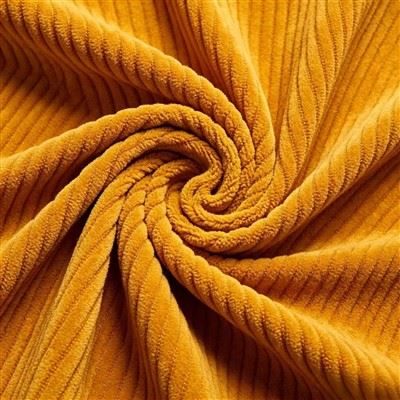
First, let’s get one myth out of the way fast: outdoor fabrics aren’t the same as heavy, scratchy tarp material. Early on, that’s what a lot of suppliers pushed—thick, plasticky stuff that smelled weird, irritated bare skin, and looked like it belonged on a construction site. Modern outdoor fabrics are engineered to mimic the softness and look of indoor fabrics, with added properties that protect them from the harsh elements that are the biggest threats to outdoor textiles. Let’s talk about those threats first, because every fabric’s value depends on how well it holds up to them: UV damage, moisture, mildew, temperature swings, and regular use (think: kids spilling lemonade, patio furniture being dragged across concrete, pet claws catching on a seam).
UV damage is probably the most insidious. If you’ve ever had a favorite patio cushion fade to a washed-out, pale version of its original color after one summer, you know what I mean. The sun’s ultraviolet rays break down the molecular structure of fabric fibers, causing fading, brittleness, and eventual tearing. That’s why UV resistance is non-negotiable for outdoor fabrics. Not all UV treatments are created equal, either. Some are surface coatings that wash off after a few heavy rains, while others are built directly into the fiber itself, which is a much better long-term solution.
Next is moisture. Outdoor spaces get rained on, dewy overnight, and accidentally sprayed with a hose, so fabrics need to handle being wet without getting ruined. If a fabric absorbs water, it can stay damp for days, which is a breeding ground for mildew and mold—those black, smelly spots that set in before you even realize there’s a problem. Even if you live in a dry climate, dew and occasional sprinklers mean moisture is a constant factor.
Then there’s general durability: not just how well it holds up to sun or water, but how it stands up to regular use. A fabric that works for a quiet balcony where you only sit once a week is different from one that works for a busy family patio where kids climb on furniture, dogs curl up on cushions, and guests drag chairs across the deck every weekend.
Now, let’s get to the fabrics. I’ve tested dozens of materials over the years, and the clear leader that balances all these needs is solution-dyed acrylic. Wait, I know what some of you are thinking: “Acrylic? That’s the stiff stuff my grandma used for patio cushions?” Not anymore. Modern solution-dyed acrylic is a game-changer, and it’s been my top recommendation for 10 years for good reason. Let me explain what solution-dyed means, because that’s the key to its success. Unlike traditional acrylic, where color is added to the surface of the fiber after it’s made, solution-dyed acrylic has pigments mixed into the liquid polymer before it’s spun into fibers. That means the color is part of the fiber, not just a coating. No wonder, then, that solution-dyed acrylic fabrics can retain their color for 5+ years of full sun exposure—way longer than any other common outdoor fabric. I’ve had a customer in Arizona who’s had her patio cushions in 2016, and they look almost the same as the day she bought them. No fading, no discoloration, no need to reapply any touch-ups. It’s also lightweight, breathable, and soft to the touch—way more comfortable than the old plastic-like acrylics of the past.
What about moisture? Solution-dyed acrylic is inherently water-resistant, not waterproof. That’s a good thing, because waterproof fabrics (like vinyl or coated polyester) can trap moisture against the cushion core, leading to mildew on the inside even if the outside stays dry. Solution-dyed acrylic lets water bead up on the surface and evaporate quickly, so even if a cushion gets caught in a sudden downpour, it’ll dry out in a few hours, not a few days. It also resists mildew and mold growth naturally, because the solution-dye process doesn’t leave any spaces where spores can take root. Bonus: it’s easy to clean. A quick wipe with mild soap and water takes care of spills, grass stains, and bird droppings—no special detergents or heavy scrubbing required.
I know I’m focusing a lot on acrylic, but let’s talk about the other common outdoor fabrics so you can see why acrylic is the best all-around option. First, polyester. Polyester is popular because it’s relatively cheap, but it has a big downside: it fades faster than acrylic. Because most polyester for outdoor use is piece-dyed (color added to the fabric after it’s woven, not the fiber), the dye sits on the surface and wears off in the sun. It’s great for covered patios or spaces that don’t get direct sun 8+ hours a day, but if you have an open patio or deck, polyester will need replacing every 2-3 years, which ends up being more expensive in the long run. There’s also solution-dyed polyester, but even that doesn’t have the same UV resistance as solution-dyed acrylic. It’s cheaper, softer, and works for low-wear, low-sun spaces, but not the best for most people’s primary outdoor area.
Then there’s natural fiber options: cotton, linen, canvas, even jute. These sound great—they’re breathable, soft, and look amazing—but they’re terrible for outdoor use, full stop. They absorb water like a sponge, leading to mildew, they fade even faster than polyester in the sun, and they’re prone to stretching and tearing when wet. I once sold a batch of cotton patio curtains to a customer in Florida, and they were mildewed within a month of the first summer rain. They work if you have a fully enclosed, covered porch that never gets wet, but even then, they’ll fade badly. I’ve never met a customer who didn’t regret using natural fabrics for regular outdoor use.
What about olefin, also called polypropylene? It’s another synthetic, cheap, and lightweight. It’s good at resisting moisture, but it has two major flaws: it melts at low temperatures, so if you put a hot grill mat or a cup of coffee on it, you’ll get a permanent burn mark. And it doesn’t have great UV resistance—most olefin fabrics fade after 2-3 years, even with treatments. It’s sometimes used for temporary patio furniture or budget cushions, but it’s not a long-term solution for most homes.
Wait, what about the newer, “performance” fabrics that companies are hyping? I’ve tested a few of those over the years—some are just polyester with a fancy marketing name, others are blends. For example, a polyester-acrylic blend sounds like it would be a middle ground, but usually, the blend has too much polyester, so it fades faster than pure solution-dyed acrylic. Some blends add a small amount of spandex for stretch, but that spandex breaks down in the sun after a year, leaving the fabric saggy and stretched out. The key here is that when it comes to outdoor fabrics, the best one is a single fiber engineered for that specific use—not a blend that compromises on performance.
Now, it’s not just about the fiber, right? The weave and finish matter too, even for the best fabric. A tight, balanced weave is important for durability—loose, open weaves might feel softer, but they’re easier to tear and let moisture and dirt seep through. For example, solution-dyed acrylic comes in different weights: 10 oz is good for accent pillows, 16-20 oz is ideal for seat cushions and curtains, because it’s thick enough to stand up to regular use without feeling heavy. I always tell customers to go for a heavy weight for high-traffic areas. Also, look for fabrics with a stain-resistant finish that’s water-based, not fluorochemical. Some old stain-resistant finishes use harsh chemicals, but modern ones are gentler, still repel spills, and don’t off-gas.
But wait, what about if you love the look of natural fabrics? I get it—linen’s relaxed, airy look is hard to beat. The good news is, some manufacturers now make solution-dyed acrylic that’s woven to look like linen or cotton, so you get the soft, natural aesthetic without the downsides. It’s a bit more expensive than basic acrylic, but way cheaper than having to replace your cushions every two years. I’ve had customers swear they were using linen for years, until I told them it was acrylic—they never would have guessed.
Let’s also talk about use cases, because the “best” fabric can shift a little depending on how you use your space. If you have a small balcony in a city, with only a chair and a small side table, and you only use it for weekend mornings, a lighter-weight solution-dyed acrylic or even a high-quality polyester might work for you. But if you have a family patio with a dining set, a sectional, and you host BBQs every week, solution-dyed acrylic is non-negotiable. If you live in a rainy, humid climate like the Pacific Northwest or the Southeast, acrylic will dry fast and resist mildew way better than any other fabric. If you live in a desert climate, acrylic’s fade resistance is worth every penny, because the sun is brutal there.
I’ve seen too many customers make the mistake of buying cheap outdoor fabrics to save money, only to have to replace everything in a couple years. Let’s do the math: a set of polyester patio cushions for $200 will need replacing in 2 years, so that’s $100 a year. A set of solution-dyed acrylic cushions for $400 will last 5-7 years, so that’s $60-$80 a year. It’s not just cheaper in the long run—it’s less hassle, because you don’t have to drag cushions indoors every night or deal with fading.
Now, I should be clear about one thing: no fabric is completely indestructible. Even the best solution-dyed acrylic can tear if a dog scratches it with very long, sharp claws, or if a sharp tool is dragged across it. And while it’s water-resistant, it’s not waterproof, so if you leave cushions out in a standing pool of water for days, they might get damp inside. But that’s a small trade-off for a fabric that lasts 5+ years, looks good year-round, and works for almost every outdoor space.
As a supplier, I’ve made it my mission to educate customers about this, because I don’t want them wasting money on fabrics that aren’t built for real outdoor use. I used to get a lot of pushback from people who thought outdoor fabrics had to be cheap or look “functional” instead of stylish. Now, more and more people are catching on—they want their outdoor space to feel like an extension of their living room, not a separate, forgotten area. That’s why we’ve expanded our selection of solution-dyed acrylic fabrics in so many colors and weaves—from deep navy linens to bright striped cottons, so you can match your indoor decor, not just buy whatever’s available for patios.

If you’re outfitting your outdoor space this season, don’t just pick the first fabric you see labeled “outdoor.” Ask questions: is this solution-dyed? What kind of weave is it? How well does it hold up to sun and moisture? And if you’re ready to invest in fabrics that will last, we’re here to help. We work with homeowners, interior designers, and small business owners to source and supply high-quality outdoor textiles, with samples so you can feel the fabric before you buy, and guidance to make sure you pick the right material for your specific space and needs. Don’t settle for fabrics that will fade, tear, or get moldy after a single summer—reach out to start a conversation about what works for your outdoor home.
Polyester Velvet Fabric References
- The Textile Institute. (2021). Performance Requirements for Outdoor Home Textiles. Journal of Textile and Apparel, Technology and Management, 12(3), 1-15.
- American Association of Textile Chemists and Colorists. (2020). Standard Test Method for Light Resistance of Textiles: Xenon Arc Fading. AATCC Test Method 16-2020.
- Outdoor Industry Association. (2022). 2022 Outdoor Home Textile Market Report: Material Durability Trends and Consumer Preferences.
- ASTM International. (2019). Standard Test Methods for Water Repellency of Materials, Hydrostatic Pressure Test. ASTM D751-19.
Shaoxing Haoman Textile Co., Ltd.
As one of the most professional home textile fabric manufacturers and suppliers in China, we’re featured by quality products and good service. Welcome to wholesale custom made home textile fabric at competitive price from our factory. If you have any enquiry about cooperation, please feel free to email us.
Address: Room422, Building19, Keqiao Cross-border E-commerce Industrial Park, Shaoxing City, Zhejiang Province
E-mail: 30473967@163.com
WebSite: https://www.haomantextile.com/
