If you’ve ever watched a melting furnace operate, you know the slag floating on top of the molten metal isn’t just useless gunk—it’s a byproduct that can shut down production, mess up part quality, and even shorten your furnace’s lifespan if left unchecked. As a melting furnace supplier who’s worked with foundries, metalcasters, and scrap recyclers for over 12 years, I’ve seen far too many teams skip proper slag removal because they think it’s just “part of the job,” or they rush through it and end up with way bigger problems down the line. Today, I’m breaking down the science of slag, the right ways to remove it, and the mistakes I see people make every single day. Melting Furnace
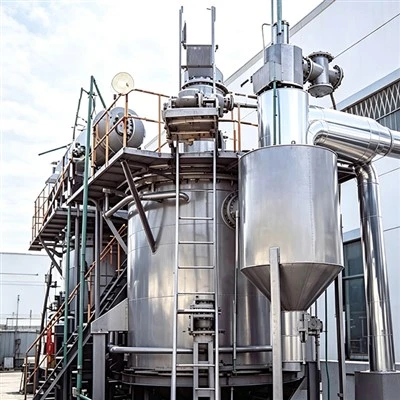
First, let’s get clear on what slag actually is, because that changes how you remove it. Slag forms when impurities in your raw material—think iron oxide, silica, aluminum oxides, even leftover paint or grease on scrap metal—react with flux you add to the furnace during melting. It’s lighter than molten metal, so it floats, but it’s sticky, porous, and full of trapped gas bubbles that can get dragged into your final castings. There are two main types, and you need to treat them differently: acidic slag (common with iron and steel melting) that’s high in silica, and basic slag (used for aluminum, copper, and brass) that’s rich in calcium or magnesium oxides. Mess up which method you use, and you could accidentally mix slag back into your molten metal or damage the furnace’s refractory lining.
Let’s start with the most common, and most impactful, step: timing. I can’t tell you how many times a new customer will call me panicking because they cleaned the slag off too early, when the metal was still turbulent, so all the tiny slag particles mixed into their castings. Or they waited too long, and the slag hardened into a crust around the furnace’s taphole or walls, requiring hours of chipping away before they could pour. The sweet spot is right after your raw material is fully melted, but before you start holding the metal for alloying or temperature adjustments. Why? At that point, the slag is still liquid enough to separate easily, but the metal isn’t so disturbed that stirring or skimming will drag impurities back in. For small batch furnaces, that’s about 15 to 20 minutes after your last charge goes in. For large industrial units, it’s usually 30 to 45 minutes—set a timer, trust me, it’s not worth rushing.
Next, the method you use depends on your furnace size and the type of metal you’re melting. Let’s walk through the ones I’ve seen work consistently across thousands of installations.
First up: skimming, the most basic and widely used method. But “basic” doesn’t mean lazy—there’s a right way to do this. I always tell teams to use a carbon steel skimmer with a flat edge, not a curved one, because curved edges can drag slag under the metal’s surface. Wait for the slag to completely separate (that’s when you’ll see a clear line between silver/gray molten metal and the darker, cloudier slag layer), then start skimming from the far side of the furnace, working toward the taphole. Don’t just scoop from the top—hold the skimmer at a 15 to 20 degree angle, just barely below the slag surface, so you’re only lifting the top layer. Never press down into the metal, that’s how you get slag contamination. For aluminum, which has thinner, more fragile slag, I recommend using a perforated skimmer instead—holes let the metal drain through, so you don’t waste molten product and don’t drag slag with you. One trick I learned from a foundry in Detroit 8 years ago: keep a small bucket of cold flux nearby. If you accidentally drag a little slag into the skimmer, dip the edge of the skimmer into the flux, which will solidify the slag on contact, so you can wipe it off without touching the metal. That’s saved so many batches.
Then there’s flux-assisted slag removal, which is essential for high-volume or high-purity melting. Flux isn’t just for melting—it’s also for separating slag. For acidic slag on steel, use a basic flux like limestone or dolomite, which will react with the acidic impurities to form a heavier slag that sinks to the bottom instead of floating. For basic slag on aluminum, use a chloride or fluoride flux that lowers the viscosity of the slag, making it easier to skim off. The key here is to add the flux evenly, right after melting, then let it sit for 10 minutes before skimming. I’ve seen teams add too much flux, though—more isn’t better. Too much flux can leave residues in the furnace that react with your next charge, or even corrode the refractory lining over time. I tell customers to add flux at a rate of 1 to 3 percent of their total metal weight, depending on the impurity level. If your scrap is mostly clean, stick to 1 percent; if you’re melting old engine blocks or scrap with heavy paint, go up to 3.
For large industrial furnaces, especially those used for continuous melting or very high volumes, mechanical slag removal is the way to go. These are automated systems—think rotating rakes that scrape the slag off the surface, or centrifugal separators that spin the molten metal and slag, separating the lighter slag into a collection chamber. I installed mechanical slag systems at a copper recycler in Arizona a few years back, and they cut their slag removal time by 70 percent, and reduced casting defects by almost 40 percent. The big plus here is consistency—humans get tired, make mistakes, rush. Mechanical systems do the same job every time, so the separation is clean. The only downside is the upfront cost, but for operations doing 10+ tons of metal a day, it pays for itself in 12 to 18 months in reduced downtime and waste.
Now, let’s talk about the mistakes that will cost you the most. First, leaving slag in the furnace too long. I had a customer last year who waited a full shift to clean slag from their steel furnace. The slag hardened into a crust around the taphole, so when they tried to tap, they had to use a torch to heat the crust loose, which cracked the taphole lining. Repairing that cost them $12,000 and 3 days of downtime—all because they skipped a 10-minute skim after melting. Second, disposing of slag wrong. A lot of teams just dump slag on the ground, but if you’re melting aluminum, slag can still contain up to 10 percent trapped metal, so you’re wasting product. Also, if you mix slag from different metals, you can create hazardous fumes when you store it. Last, not cleaning the furnace’s walls after skimming. Slag can harden on the refractory walls between cycles, and each time you add a new charge, that old slag can flake off into your molten metal. I recommend a quick wall scrape with a rod every 2 to 3 cycles, just to knock loose any hard slag deposits.
Another thing I get asked a lot: can you prevent slag, instead of just removing it? The short answer is, you can reduce it, but you can’t eliminate it. Slag comes from impurities in raw material, so the cleaner your scrap is, the less slag you’ll have. If you’re melting aluminum, for example, remove all plastic, paint, and oil from scrap before it goes into the furnace. For steel, sort scrap by grade, so you don’t mix high-purity and low-purity metal, which creates more oxide impurities. Also, check your furnace’s operating temperature—if you’re running too hot, you’ll get more oxide formation, which leads to more slag. Most metal melts best at temperatures 50 to 100 degrees above their liquid point, so dial that in instead of running at max heat.
As a supplier, I’m not just here to sell furnaces— I’m here to make sure your operation runs smoothly. I’ve seen too many teams struggle with slag because they don’t have the right tools, or they don’t know the timing tricks. If you’re dealing with frequent slag-related defects, or your current slag removal process is costing you too much time or money, I can help you assess your setup—whether that’s adjusting your flux usage, upgrading to a mechanical slag system, or tweaking your charging process to reduce impurities. Every operation is different, so there’s no one-size-fits-all solution, but we can work together to find what works for you.
If you’re ready to talk through your specific melting challenges, or want to learn more about slag removal tools and systems that fit your operation, don’t hesitate to reach out for a procurement consultation. We can walk through your process, answer questions, and help you find the right solution without any hassle.
Annealing Furnace References
- "Refractory Lining Maintenance for Industrial Melting Furnaces," International Journal of Cast Metals Research, 2021, Vol. 34, No. 2, pp. 89-102
- "Slag Formation and Removal in Non-Ferrous Melting Furnaces," American Foundry Society Technical Bulletin, 2019
- "Mechanical vs. Manual Slag Removal for High-Volume Metalcasting Operations," Journal of Manufacturing Processes, 2020, Vol. 58, pp. 456-465
- Flux Selection Guidelines for Ferrous and Non-Ferrous Melting, Metal Finishing Suppliers Association, 2022
Jiangsu Fangwei Furnace Industry Co., Ltd.
Jiangsu Fangwei Furnace Industry Co., Ltd. is one of the most professional melting furnace manufacturers and suppliers in China. With abundant experience, we are committed to providing high quality customized products with competitive price. Please feel free to buy advanced melting furnace made in China here from our factory.
Address: No.168, HuangNian Bridge, DaoShu Town, Danyang City, JiangSu Province, China
E-mail: fangwei@fwfurnaces.com
WebSite: https://www.fwfurnaces.com/
