Hey there! If you’re a printer, a prep house, or even a fellow gravure roller supplier, I know you’ve been there: you pull out a stored roller that’s been sitting on the shelf for months, only to find rust spots, faded engraving, or that sticky residue no amount of cleaner will scrub off. I’ve been in this game for 12+ years—spent countless hours fielding panic calls from clients who thought they “did the right thing” storing their rollers, only to trash a $2k+ part. Today, let’s cut through the noise and talk about how to actually store gravure rollers properly, no fluff, no overcomplicated jargon, just what I’ve learned (and what I’ve taught my techs) that works. Gravure Roller
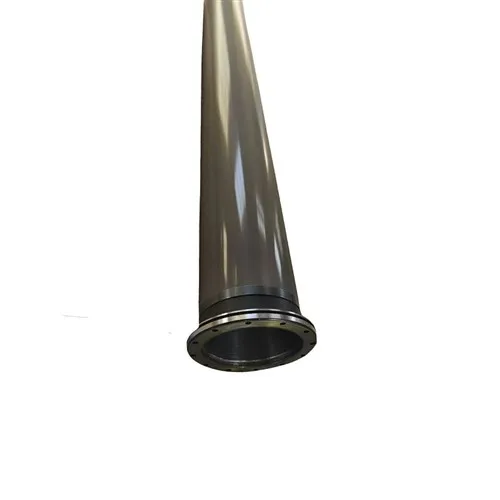
First off, let’s be real: gravure rollers aren’t just metal tubes with ink etched on them. They’re precision tools—you’re dealing with copper plating, chrome finishes, micro-engraved cells that hold exactly the right amount of ink for your job. Mess up the storage, and those cells clog, the chrome pits, or the whole roller warps. I’ve seen clients store them leaning against a wall in a humid back room, stack three high on a concrete floor, or even wrap them in random plastic grocery bags. Spoiler: all of that is a terrible idea. Let’s break this down step by step, like I’m walking you through my shop’s storage routine.
First step: prep the roller for storage before you even move it. You wouldn’t put a dirty plate back in a cabinet, right? Same logic here. But this isn’t just wiping it down—this is a specific process, because leftover ink is the enemy of long-term storage. Let’s start with post-job cleaning (wait, no—this is for when you’re storing it not just between jobs, but for weeks, months, even off-season). First, run it through a heavy-duty cleaning cycle in a ultrasonic cleaner, not just a hand wipe. We use a mild, pH-neutral alkaline solution—nothing too strong, because you don’t want to etch the copper. Let it soak for 15 minutes, then run the ultrasonic for another 10. Then, pull it out, and immediately blow it dry with compressed air (low pressure—max 30 PSI, trust me, higher pressure will push water into those tiny engraving cells, which is where rust starts). Don’t let it air dry—any moisture left is a ticking time bomb.
Once it’s totally dry, you need to treat the surface to prevent rust. Here’s the trick: use a food-grade, silicone-free rust inhibitor spray. Wait, silicone-free is key. If you use a silicone-based spray, you’ll mess up ink adhesion when you put the roller back to work. I learned that the hard way—had a client call me saying their new roller wouldn’t hold ink, turns out the storage spray the prior supplier recommended had silicone all over it. Big mistake. So a quick, even coat of that rust inhibitor—don’t drench it, just a thin layer, same for the ends and the shaft. And if the roller has any rubber components (like end caps or drive hubs), cover those with a damp cloth while you spray the metal, don’t get the inhibitor on rubber—will make it crack.
Now, once your roller is prepped to go, how do you move it without damaging it? Never carry it by the end caps or the shaft. Grab it by the core (the inner metal tube) or, if it’s a long roller, use two people—one on each end, keep it level. Dropping a roller even a foot can bend it, and a bent gravure roller is useless—you’ll get uneven ink coverage all over your prints. I’ve seen guys try to carry a 40-inch roller one-handed, slip, and now we have a $3k paperweight. Don’t be that person.
Now the actual storage part, which is where most people mess up. First, location: this is non-negotiable. No basements (humidity!), no attics (extreme temperature swings!), no places near windows where direct sunlight hits. Direct sunlight can fade any engravings over time, and extreme temps make metal expand and contract, leading to micro-warping that you can’t see until you run prints. We keep all our stored rollers in a climate-controlled room—temp between 60-70°F, humidity under 40%. If you don’t have a dedicated room, a storage closet in the middle of your building works, just stay away from any HVAC vents or exterior walls that get cold/hot.
Next, how to position them. Never lean rollers against a wall, never stack them on their sides. Wait—what? Let me explain. If you lean a roller, it’s resting on one small section of its outer surface, which puts pressure on that copper/chrome layer. Over months, that pressure causes a permanent indent, and when you run it, that spot will print way more ink, leading to streaks. Stacking is even worse: if you have two rollers, putting one on top of the other means the bottom one’s surface is bearing the weight of the top, same indent issue. The only right way? Hang them. Use special roller racks with padded hooks—they cradle the inner core, not the outer engraved surface. The padded part is important—metal hooks will scratch the finish. If you don’t have a rack, you can set them upright in custom crates (we make our own out of heavy wood, lined with foam) so the inner core is resting on the bottom, and the whole length is standing straight. Upright is way better than horizontal, but hanging is ideal—less risk of moisture pooling at the bottom of the roller’s inner tube if it’s standing.
And spacing! Don’t cram 10 rollers into a 2-foot space. Leave at least 2 inches between each one—no rubbing. If two rollers’ engraved surfaces touch, they’ll scratch each other, and those scratches will show up as lines on every print you make after. I learned that when a new tech packed a batch for a client, forgot to space them, and they arrived with 3 scratch marks each. Had to replace them for free—cost me time and money, so now I drill that spacing into every new hire.
Now, what about long-term storage? Like, if you’re putting a roller away for 6 months or longer—say, if a client has a holiday season that uses only certain designs, and the rest sit. For that, we add an extra step: wrap it in a special anti-static, rust-preventative film. Not plastic wrap—plastic traps moisture, as we talked about. That film is breathable, blocks humidity and dust, and doesn’t leave any residue. Wrap it loosely, not super tight—you don’t want it pressing into the engraved surface. Then, if you’re storing it in a crate, add a couple of silica gel packs inside the crate (not directly on the roller) to suck up any extra moisture. We swap those packs out every 3 months for long-term storage, just to be safe.
Wait, common mistakes I see all the time: people forget to label them. I can’t tell you how many times a client brings me a box of unlabeled rollers, and we have to run tests to figure out which is for which print design, wasting hours of labor. Label each roller clearly with the job number, print design, date stored, and which side is the engraving side (so you don’t accidentally hang it backwards). We use durable vinyl labels, not paper—paper falls off in humidity.
Another big one: checking in on them. You can’t just stick a roller in storage and ignore it for a year. Every 2 months, pull it out, unwrap it, wipe off any thin layer of rust inhibitor that’s built up, check for any spots, re-apply a light coat of inhibitor, and re-wrap (if long-term). I’ve had a roller that sat for 8 months—we checked it, found a tiny spot of rust that was starting, cleaned it off, added more inhibitor, and it was good as new when we used it for a job. If we had left it, that spot would have turned into a big pit, and the roller would’ve been ruined.
Now, what about damaged rollers you’re storing? Don’t mix good and bad ones. If a roller has a scratch or a minor warp, label it clearly, store it separately, and deal with it before you put it away—wait until you’re ready to re-chrome or re-engrave it, so it doesn’t take up space with good ones.
Let me also answer some questions I get all the time from clients: What if I don’t have a climate-controlled space? A dehumidifier in your storage area works, just keep an eye on humidity levels with a cheap hygrometer—shoot for under 50%. Can I use oil instead of rust inhibitor? Only if it’s food-grade and will clean off easily. Avoid heavy oils, they’re a pain to get off, and if you miss a spot, they’ll attract dust. And for the love of all that’s holy, don’t store rollers near cleaning solvents or chemicals—fumes can eat away at the chrome finish over time.
Now, let’s tie this all together like our shop does it: 1) Clean with ultrasonic, dry completely. 2) Thin coat of silicone-free rust inhibitor. 3) Hang on padded racks (or upright in foam-lined crates). 4) Space 2 inches apart, no overcrowding. 5) For long-term, wrap in breathable anti-rust film, add silica packs. 6) Check every 2 months for rust or damage. 7) Label everything clearly.
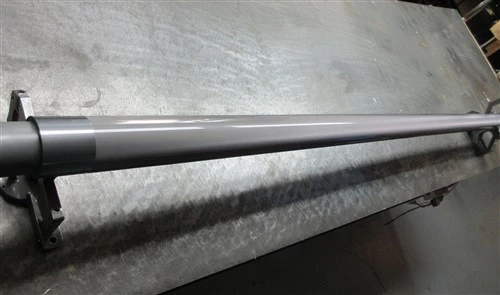
Look, I know storing rollers is not the most exciting part of gravure printing, but it’s the easiest way to save thousands of dollars in replacements and avoid production delays. If you’re tired of tossing stored rollers every few months, or you just want to make sure your current batch stays in top shape, I’d be happy to walk you through our exact storage solutions, or help you pick up any supplies you need to get your storage area set up right. We supply gravure rollers to printers of all sizes, so whether you have a small in-house shop or a large production facility, we’ve got you covered. Hit me up to chat through your needs, no pressure, no sales pitch—just real advice from someone who’s been in this field forever.
Gravure Roller References:
- Gravure Roller Storage Best Practices, International Gravure Association, 2022
- Metal Surface Preservation for Industrial Printing Components, Journal of Manufacturing Processes, Vol. 48, 2020
- Humidity Control Guidelines for Precision Metal Parts, National Institute of Standards and Technology, 2021
- Cleaning Protocols for Engraved Printing Rolls, Print Quality & Technology Journal, Vol. 15, 2019
Kunshan Hanhan Co., Ltd.
We’re well-known as one of the leading gravure roller manufacturers and suppliers in China. We warmly welcome you to buy high quality gravure roller made in China here from our factory. If you have any enquiry about cooperation, please feel free to email us.
Address: No. 1093, B Zone, No. 2 Xugongqiao Rd, Huaqiao Town, Kunshan City, Suzhou, Jiangsu, China
E-mail: info@kshhroller.com
WebSite: https://www.kshh-roller.com/
