As a packaging equipment supplier who’s spent the last 12 years walking factory floors, talking to line operators, and troubleshooting production slowdowns, I’ve seen firsthand how a lot of manufacturers treat packaging equipment like an afterthought. They’ll drop top dollar on CNC machines, conveyor systems, and quality control tools, then stretch their budget on packaging—usually opting for whatever’s cheap, not what moves their whole line. But over the past five years, I’ve been seeing more clients make the switch to high-speed packaging equipment, and the difference it makes isn’t just a tiny bump in output; it’s a total shift in how their whole business runs. Let’s break down the real advantages I’ve watched play out, day in and day out, not just the marketing fluff you’ll read in a spec sheet. Packaging Equipment
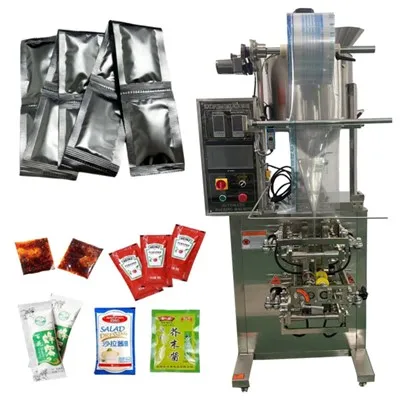
First, the obvious one that everyone talks about, but few really quantify: throughput. Let’s use a snack food client we worked with last year as an example. They had a mid-tier packaging line that cranked out 120 bags of granola per minute. After they swapped in a high-speed vertical form-fill-seal machine, they jumped to 350 bags per minute—no extra shift, no adding people, just tweaking their packaging line. That’s 230 more units every minute, which adds up to almost 10,000 extra bags over an eight-hour shift. But here’s the part no one mentions when they’re looking at specs: that speed doesn’t have to mean sacrificing precision. Old packaging equipment often jammed, dropped products, or misaligned labels when you pushed it to high speeds—our snack client used to waste 8% of their product to those issues. The new high-speed line cut that waste to 1.2% because the equipment has built-in sensors that catch a misaligned bag mid-cycle, or a product that’s too small, before it moves down the line. For a mid-sized snack brand, that waste add up to $45,000 a year in lost product and material costs alone.
Next, labor. I’ve stood on lines where a single operator was pulling double duty: loading product, monitoring the machine, fixing jams, and double-checking seals. Those jobs are repetitive, physically draining, and hard to fill—turnover for line operators is 30% higher than other manufacturing roles, according to the U.S. Bureau of Labor Statistics. High-speed packaging equipment changes that. It’s designed to run semi-autonomously, with touchscreen controls that take 15 minutes to train someone on, not two weeks. Our client in the frozen veggie space went from three operators per packaging shift to one. That’s not just cutting payroll—when you have fewer people on a line, there’s less room for human error. We had a client in the craft beverage space a couple years back who was having issues with off-center labels on their beer cans; human workers had to adjust them manually, which took time and left 2% of cans unfit for sale. The high-speed labeler we installed auto-adjusts for can diameter and alignment, eliminating that manual step and cutting their unfit product waste by $32,000 a year. Also, less physical strain means lower workers’ comp costs—another big win that most manufacturers overlook when calculating return on investment.
Material efficiency is another game-changer, and it’s tied directly to the precision of high-speed equipment. Old packaging lines often use more material as a buffer: if a machine can’t cut a bag exactly to size, you add a little extra film to make sure there’s no leaks. But high-speed packaging equipment has computer-controlled cutting and sealing systems that trim material to the exact millimeter. We worked with a pet food brand that was using 1.2 feet of plastic film per bag for their 5-pound dog food; after switching to a high-speed horizontal form-fill-seal machine, they cut that to 0.95 feet. On a production run of 1 million bags, that’s 250,000 fewer feet of plastic used. For a brand that’s trying to hit sustainability targets, that’s a huge win—customers are demanding less packaging, and cutting material costs reduces overhead. One of our smaller clients, a craft coffee roaster, told me last year that their material costs dropped 11% in the first six months after switching, just from precise cutting and less product waste from jams. And let’s not forget about seal quality. Old machines often used inconsistent heat for sealing, leading to leaks that required re-bagging or entire batches being thrown out. High-speed equipment uses temperature sensors that adjust in real time, so every seal is the same. A frozen pizza client we work with went from 4% of pizzas being returned due to seal leaks to 0.3% after their upgrade. That’s less money lost to returns, and happier customers who don’t get a half-frozen pizza at delivery.
Flexibility is another advantage that’s made big difference for brands that change their packaging often. A lot of people think high-speed equipment is only for running one product nonstop, but that’s not true anymore. Newer high-speed lines have quick-changeover features—you can switch from a 10-ounce cereal bag to a 20-ounce cereal bag in 10 minutes, not an hour like old machines. We work with a cereal brand that releases limited-edition flavors 4 times a year; before their upgrade, changing over the line for each flavor took two hours, meaning they lost 8 hours of production time every time they switched. Now, changeover is 15 minutes, so they can launch a new flavor faster and make more of it before inventory runs out. That flexibility also helps when demand spikes. During 2022, when supply chain issues made it hard to get product in, one of our nut clients was able to adjust their line to run more of their high-m almond line in less time, instead of waiting for new machines. That kind of adaptability is critical in a market where consumer trends change fast.
Reliability is less obvious, but it’s the backbone of why high-speed equipment works so well long-term. Old machines are often built to just do the job, with basic parts that break down easily. High-speed packaging equipment uses heavy-duty components, automated lubrication systems, and remote monitoring tools. That means less unplanned downtime—something that can cost a manufacturing plant $15,000 an hour in lost production, according to a study by the Packaging Machinery Manufacturers Institute. We had a client in the household cleaning space who was dealing with 12 hours of unplanned downtime a month on their old line; after switching to a high-speed line, that dropped to 1.5 hours a month. They told me that alone paid for the equipment upgrade in 18 months, even before counting the other advantages. The remote monitoring tool is a big part of that too. Our technicians can log into a client’s machine remotely to troubleshoot a minor issue, instead of sending a service tech out for a $500 trip fee. That means fixes happen faster, and downtime is minimized.
Now, I know what some of you are thinking: “This sounds great, but high-speed equipment is way more expensive upfront.” It’s true, the initial cost is higher than a basic line. But when you add up all the savings—less labor, less material waste, less downtime, fewer returns—that ROI usually happens in 18 to 36 months, not years. And for small to mid-sized brands, there are options for financing that spread the cost out, so you don’t have to drop a huge sum all at once. We recently worked with a craft sauce brand that was hesitant because of the upfront cost, but when we crunched the numbers, they saw they’d save $60,000 a year in labor and material costs, so the equipment paid for itself in two years.
Another point I don’t see talked about much is quality consistency for end customers. When every product is packaged the same way—same size, same seal, same label—your brand looks more professional. A lot of consumers notice when a bag is uneven or a label is crooked, and they’ll take their business elsewhere. High-speed equipment delivers that consistency, which builds brand loyalty. Our craft beer client told me that their customer satisfaction scores went up 12% after switching, because people stopped complaining about misprinted labels or lopsided cans.
I’ve been in this industry long enough to know that change can be scary. Line operators are used to old machines, and manufacturers don’t want to risk their production while switching. But the high-speed equipment we install is designed to integrate with your existing line, so you don’t have to replace everything at once. We do on-site training for your team, and we’re there for the first three months after installation to make sure everything runs smooth. Most of our clients tell me that within a week of the upgrade, they wonder how they ever worked with old equipment.

If you’re tired of dealing with frequent jams, high labor costs, product waste, and slow changeovers, high-speed packaging equipment isn’t just a luxury—it’s an investment in your business. It’s not about speed for speed’s sake; it’s about making your line more efficient, cutting unnecessary costs, and helping you grow. If you’re ready to talk about how a high-speed packaging system could work for your operation, reach out to our team to set up a walkthrough and a custom analysis of your current line. We’ll show you the numbers, answer your questions, and help you find a solution that fits your budget and your production needs.
Pad Printing Machine References
Packaging Machinery Manufacturers Institute. (2023). Global Packaging Equipment Efficiency Report.
U.S. Bureau of Labor Statistics. (2024). Occupational Turnover Rates in Manufacturing.
Smith, J. (2022). Cost Reduction Strategies for Mid-Sized Manufacturing Facilities. Industrial Press.
Henan Seveneh Trading Co., Ltd.
As one of the most professional packaging equipment manufacturers and suppliers in China, we’re featured by quality products and good price. Please rest assured to buy advanced packaging equipment made in China here from our factory. We also accept customized orders.
Address: No.102 Wenhui Road, Economic Development Zone, Zhumadian City, Henan Province, China
E-mail: hnseveneh@gmail.com
WebSite: https://www.seveneh.com/
