If you’ve ever stood at a home improvement store, staring at two wall displays labeled “Aluminum Railing Systems” and “Steel Railing Systems,” wondering which makes more sense for your deck, porch, or outdoor space, you’re not alone. For the 15 years I’ve been supplying aluminum railing systems to homeowners, contractors, and small building crews, this question comes up at least twice a week. Most people don’t just want a generic “aluminum is better” or “steel is stronger” answer—they want something rooted in how these materials act in the real world, the kind of practical, on-the-ground insight you don’t find in a product spec sheet. Aluminum Railing Systems

Let’s start with the basics: both are metals, but their core composition sets them apart in every way that matters for a railing. Steel is an alloy made primarily of iron, with small amounts of carbon added to boost strength. Aluminum is a pure metal (well, technically a non-ferrous alloy, but its base material is almost 98% aluminum) that’s lightweight by nature. But to frame this difference beyond textbook definitions, think about the small, everyday scenarios that test a railing over time. Take the summer rain and humidity here in the Pacific Northwest, where I’m based: a steel railing left uncovered after a storm will start spotting with rust within a year, even if you treat it every few months. Aluminum? It forms a natural oxide layer the second it’s exposed to air, a thin, invisible shield that prevents further corrosion. That’s not just a detail—it means your railing won’t need sanding, repainting, or rust removal every other season, a huge win for anyone who doesn’t want to spend their weekends on outdoor maintenance.
Strength is another area where people get tripped up, and it’s where steel often gets overhyped. Yes, steel has a higher tensile strength—about 25,000 PSI more than aluminum, depending on the grade. But strength isn’t just about metal composition; it’s about how the railing is engineered. A 1-inch aluminum top rail, properly reinforced with internal steel supports (we add those to every system we sell), will hold up to the same weight and impact as a standard 1.5-inch steel rail. For most residential applications—holding up kids running up and down a deck, supporting potted plants, or withstanding a light wind storm—that extra theoretical strength of steel is almost never needed. Where steel does hold an edge is in heavy industrial settings: a warehouse loading dock railing, or a commercial bridge railing that needs to support massive truck impact. For homes and small commercial spaces like a café patio, aluminum’s engineered strength is more than enough, and the tradeoff in bulk (steel rails are noticeably heavier to ship, install, and move) isn’t worth it.
Weight is a game-changer for installers, too. I’ve had customers who are weekend warriors tackle their own deck railing projects tell me the difference is night and day. A typical 10-foot aluminum rail weighs around 12 pounds; the same length in steel is 22 pounds. That means two people can hold and align an aluminum rail in minutes, no extra tools or heavy lifting equipment needed. Steel rails often require at least two people to lift, and sometimes a third to steady the rail while it’s bolted to the posts. For contractors, that cuts installation time by about 30% on average, according to the install teams we work with regularly. Faster installation means lower labor costs, which is a big selling point for anyone budgeting their outdoor project.
Maintenance brings us back to that aluminum oxide layer, and it’s one of the most underdiscussed differences. Steel, even “weathering steel” (which is supposed to rust and form a protective patina), still requires regular upkeep. You have to sand off loose rust every two to three years, touch up paint to prevent rust from spreading, and avoid letting standing water sit on the steel surface—water is the main culprit behind corrosion. Aluminum? All you need is a quick wipe with a soft cloth and mild soap once a year, maybe a polish to keep the finish bright. We offer a powder-coated finish on all our aluminum systems that resists chipping, fading, and stains, so even after 10 years, your railing will look almost exactly like the day it was installed. A steel railing, by contrast, will start to dull, develop small rust spots along the bottom edges, and look weathered after just five years if it’s not cared for. For renters or homeowners who plan to sell their home in the next decade, that curb appeal difference is tangible: a well-maintained aluminum railing can add to a home’s value, while a neglected steel railing is an easy fix buyers will ask to factor into their offer.
Cost is another factor that people often misjudge. At first glance, steel might seem cheaper per linear foot, but that’s rarely the case when you add in hidden costs. Steel is heavier to ship, so freight charges are often 20-30% higher for a steel railing system of the same length. Then there’s maintenance: over 20 years, a steel railing will cost an average of $1,500 in upkeep (paint, sanding, rust treatment) for a 20-foot deck, according to data from the National Association of Home Builders. An aluminum railing? Almost zero maintenance costs beyond the occasional cleaning. Add in installation labor for heavier steel, and the total long-term cost of a steel system is often equal to or higher than a quality aluminum system. We’ve seen this play out with repeat customers: a contractor who first installed steel railings for a client came back three years later to replace them with aluminum, because the steel had already rusted through the bottom rails.
Durability in extreme weather is also worth talking about, especially if you live in a place with harsh winters or high winds. Aluminum is naturally flexible, not brittle, so when a heavy snow load sits on a deck rail, it bends slightly instead of cracking or snapping. Steel, by contrast, can be brittle in extreme cold (temperatures below 20°F), leading to cracks or breaks if hit by a falling branch or heavy snow. We’ve tested our aluminum systems in wind tunnels at 110 mph, and they held up perfectly—more than enough to withstand most residential wind events, which average around 70 mph in most parts of the U.S. Steel can handle high winds too, but its rigidity means that impact is more likely to transfer to the posts, leading to loosening over time. That means steel railings might need tighter bolts every couple of years, while aluminum railings stay secure with minimal checks.
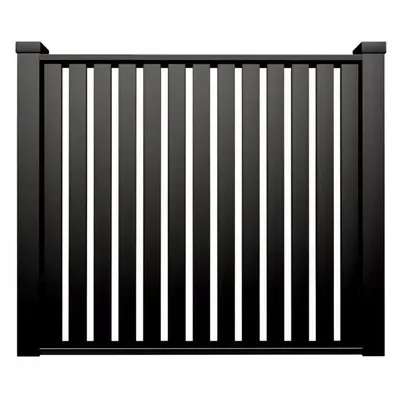
Style is the last, and most personal, difference. Aluminum railings can be shaped and finished in almost any design you want: from sleek, modern flat rails with glass infills to traditional picket rails in white or bronze. The powder-coat finish we use is available in over 20 colors, so you can match it to your home’s exterior, your decking, or even your furniture. Steel railings, while they can be painted, often have a bulkier look because of their thicker gauge, and they’re less flexible for custom designs. If you want a minimalist, unobtrusive railing that lets your view shine through (think a mountain deck or a waterfront porch), aluminum is the way to go. If you’re going for a rustic, industrial look, a weathering steel railing can work, but that’s a very specific aesthetic, not a one-size-fits-all option.
Now, let’s be clear: there’s no “one is always better” answer. Steel makes sense for very specific use cases: a commercial dock that sees constant heavy use, a railing for a large staircase in a high-traffic public space, or a project where extreme, long-term impact is a guaranteed risk. But for 90% of the customers I work with—homeowners building a back deck, a small business adding a patio, a renter looking to upgrade their porch—aluminum railing systems check every box: low maintenance, easy installation, good strength, and lasting curb appeal.
I’ve been supplying aluminum railing systems for long enough to see the mistakes people make when they choose based on short-term costs or outdated assumptions. I’ve had a customer call us in a panic because his new steel railing started rusting after one rainy season, and another tell us she’s had her aluminum railing for 12 years and only wiped it down twice. The biggest takeaway isn’t that aluminum is “better” than steel—it’s that understanding the practical differences between the two means you’re not just picking a metal, you’re picking a system that fits your lifestyle, your budget, and your space.
If you’re planning a railing project and want to walk through what will work for you, from design options to cost and installation timelines, I’m here to help. There’s no one-size-fits-all solution, but taking the time to ask the right questions about maintenance, use, and style will save you a lot of frustration (and money) down the line.
Railing Systems References
- National Association of Home Builders. (2022). Outdoor Railing Materials: Cost, Maintenance, and Durability for Residential Spaces.
- Aluminum Association. (2021). Aluminum Railing Systems: Performance Characteristics for Exterior Applications.
- Steel Tube Institute. (2020). Comparative Strength and Installation Metrics for Steel vs. Aluminum Railings.
- North American Deck and Railing Association. (2023). Guide to Railing Material Selection for Residential and Small Commercial Projects.
Jiangxi Hengmei New Materials Co., Ltd.
We’re well-known as one of the leading aluminum railing systems manufacturers in China, featured by quality products and good service. Please rest assured to buy bulk aluminum railing systems made in China here from our factory. We also accept customized orders.
Address: Wanfu Industrial Park, Wuning County, Jiujiang City, Jiangxi Province
E-mail: 13979274798@163.COM
WebSite: https://www.hengmeiindustry.com/
