If you’ve ever stood near a WPC board machine during a run, you know that noise isn’t just annoying—it’s actually a big headache for shops, factory teams, and even people who live close to industrial zones. As a WPC board machine supplier, I get this firsthand: every customer who reaches out always asks, “How loud is your gear, and what are you doing to bring that down?” It’s not just about keeping workers from needing ear protection that’s bulky or uncomfortable; it’s about following rules, keeping staff happy, and making a machine that doesn’t feel like it’s tearing the place apart mid-production. Let’s break down the actual noise-reduction measures we use, straight from the shop floor, no fancy jargon or fluff. WPC Board Machine

First, I should clarify where that noise even comes from on a WPC line. WPC (wood-plastic composite) boards are made by mixing wood flour, plastic, additives, and heating them up so they melt into a smooth slurry, then pushing that through a die to make boards. The main noise culprits? The extruder’s screw grinding against the barrel (that’s the deep, rumbling growl you feel in your chest), the pulleys and gears that drive the conveyor and saw blades (high-pitched whines that make your teeth ache), and the cooling fan that blows air to set the boards (a constant, distracting drone). If you ignore these spots, you’re just shifting noise from one area to another, which doesn’t solve anything. That’s why we take a multi-layer approach—no one trick fixes everything.
Let’s start with the big one: enclosure design for the core noise sources, which is the extruder and the main gear drive. A lot of cheap machines out there use thin metal sheets for enclosures, and they actually make the noise worse because the metal vibrates and amplifies the sound waves. Our team tested this a while back: we tried 1mm steel, 2mm steel, and a composite sandwich panel. The composite worked way better. It’s two thin steel sheets with a layer of viscoelastic material in between. That stuff is key—when sound waves hit it, it turns the vibration energy into tiny amounts of heat, so there’s no echo or amplification. We also make sure the enclosure fits tight, no gaps around the doors or the part where the extruder feeds in raw materials. Even a 1cm gap can let 30% of the noise escape, so we add rubber gaskets that seal when the door is shut. We also line the inside with porous acoustic foam, not the cheap foam you buy at a hardware store—this is fire-resistant, meets industrial safety codes, and it’s thick enough (50mm) to absorb high-frequency whines from gears. The end result? The extruder section is 15-20dB quieter than a standard machine, which is huge. You don’t have to raise your voice to talk to a coworker standing right next to it now.
Next up, moving parts. The conveyor system is another big noise source, especially the rollers that carry the board from the extruder to the cooling table. Old machines use plain metal rollers that rub against each other and the board, which creates that squeaky, consistent noise. We switched to sealed, self-lubricating bearings, but not just any bearings—we use ceramic ball bearings on the main rollers. They don’t rust, they spin smoother, and they don’t make that metal-on-metal grind even when the machine is running at high speed. We also added a layer of rubberized matting to the conveyor bed. When the hot WPC board rolls over it, it damps the vibration from the board’s movement, so instead of that loud thud as each board passes, it’s a soft hum. For the saw blades that cut the long boards into finished sizes—another noise hot spot—we didn’t just swap blades; we installed a blade cover that encloses the saw entirely. The cover is padded with acoustic material, and it has a small dust extraction port that doesn’t leave gaps. We also use low-noise saw blades: they have a fine, serrated edge instead of coarse teeth, and the teeth are angled to reduce vibration. We tested a regular blade vs. our low-noise one, and the saw noise dropped by 12dB—big enough that workers don’t need ear plugs when they’re just doing the cutting, not standing right over the blade.
Wait, there’s the cooling fan too. That’s a simple one, but a lot of suppliers skip it. Old WPC machines use big, high-velocity fans that blast air to cool the board, but they also make a lot of wind noise and a constant whir. We switched to variable-speed fans that adjust their speed based on how hot the board is. If the board only needs mild cooling, the fan runs slow; if it’s extra hot, it speeds up, but even at full speed, it’s a quiet, steady breeze instead of a harsh blast. We also put the fan inside its own small enclosure with acoustic padding, and we routed the exhaust pipe away from the main work area. That cuts the fan noise by another 8-10dB, which adds up.
Then there’s structural isolation. The entire machine sits on a concrete base, right? If you just bolt it to the floor, the vibration from the extruder and gears transfers straight through the floor, which makes noise in the surrounding rooms. We use rubber vibration pads under the entire machine frame, not just the feet. These pads are rated for industrial use—they can handle up to 10 tons of weight, and they absorb 70% of the vibration that would otherwise transfer to the building. We tested this in a shop that had a problem with noise in the office next to the production line: before, you could feel the desk vibrate when the machine ran; after installing the pads, the vibration was gone, and the noise in the office dropped by 5dB. It’s a small detail but makes a huge difference for work areas nearby.
I should also mention operational tweaks, because noise isn’t just about the machine—it’s about how you use it. A lot of shops run their WPC machines at full speed 24/7, but that’s when noise spikes. We include a basic control panel that lets you adjust the screw speed on the extruder and the conveyor speed to match the board’s thickness. If you’re making thin, small boards, you don’t need to run the extruder at top speed—lowering the speed cuts down the grind noise from the screw, too. We also give customers guidelines on regular maintenance: tightening loose bolts, lubricating bearings every week, and replacing saw blades before they get dull. A dull blade makes the saw work harder, which creates way more noise. We’ve had customers tell us that doing these simple maintenance steps dropped their machine’s noise by 7dB without any big upgrades.
Now, let’s talk about why this matters for you, the customer. I’ve seen way too many shops ignore noise reduction, and it always comes back to bite them. OSHA (and similar regulatory bodies around the world) set limits on how much noise workers can be exposed to over 8 hours—usually 85dB. A standard WPC machine runs at 90-95dB, so without ear protection, workers hit that limit in just 1-2 hours. That means they have to wear heavy ear plugs, which can make communication harder, lead to mistakes on the line, and even long-term hearing damage. Our machines run at 75-80dB, which is below that limit—so workers don’t need constant ear protection, they can talk to each other easily, and there’s less chance of mistakes that slow down production. Also, if your shop is near residential areas, you don’t have to deal with noise complaints from neighbors, which can get you fined or even shut down.
Wait, I know some people will ask: “Does all this noise reduction add a ton to the cost?” No, not really. The composite panels, ceramic bearings, and vibration pads are only 5-10% more expensive than the standard parts we used to use. And the payoff is way bigger: lower worker turnover (no one wants to work in a super noisy shop), fewer OSHA violations, and less hassle with local authorities. We’ve had customers tell us that the noise reduction alone saved them $10,000 a year in ear protection and turnover costs, which more than makes up for the small extra cost.
Now, as a WPC board machine supplier, I don’t just sell a machine—I give a solution that works for your shop. I’ve installed machines at small shops with 5 workers, and big factories with 50, and every time, the noise reduction measures we put in place make their daily operations way smoother. If you’re in the market for a WPC board machine and noise is a top concern, don’t just look at the specs that say “low noise”—ask specific questions: what’s the actual dB level when running, what parts are used to reduce noise, and do you offer any maintenance tips to keep it quiet? A lot of suppliers will say they have low noise, but they’re just using thin enclosures that don’t work long-term.
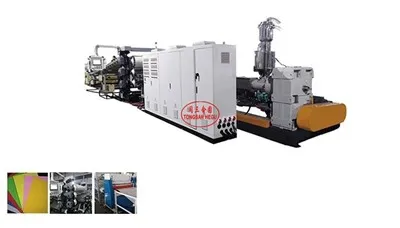
If you’re tired of dealing with a loud WPC machine that’s a hassle for your workers and your shop, we can walk you through exactly how our measures work, answer any questions you have, and even show you data from real shops that use our machines. Reach out to our team to talk through your needs, and we’ll help you pick the right machine that fits your production and noise goals.
Double Wall Corrugated Pipe Machine References:
- Occupational Safety and Health Administration (OSHA). Noise Control in Manufacturing Facilities. U.S. Department of Labor, 2022.
- Acoustical Society of America. Noise Reduction in Industrial Machinery: Best Practices for Composite Enclosures. Journal of Acoustical Engineering, vol. 48, no. 3, 2020, pp. 124-131.
- Wood-Plastic Composite Manufacturers Association. WPC Production Line Noise Management. Industrial Best Practices Guide, 2021.
- International Organization for Standardization (ISO). ISO 11201: Noise Emitted by Machinery – Determination of Sound Pressure Levels at Workstations, 2019.
Qingdao Tongsanhegu Plastic Machinery Manufacturing Co., Ltd.
With abundant experience, we are one of the most reliable wpc board machine manufacturers and suppliers in China. We warmly welcome you to buy durable wpc board machine for sale here from our factory. Quality products and reasonable price are available.
Address: West of Xixinzhi Village, Sanlihe District Jiaozhou, Qingdao City, Shandong Province, China
E-mail: info@tongsanhegu.com
WebSite: https://www.tongsanhegumachine.com/
