Hey there, if you’ve ever stared at two desk chairs side by side—one with that rigid, unmoving plastic seat and the other squishy, give-it-a-little-push plastic—you probably wondered what the actual difference is. As a desk chairs supplier, I get this question all the time, right from home office newbies to small business owners outfitting their teams. It’s not just about “hard vs. soft”—there’s way more going on that actually affects how your day feels, your posture, and even how long the chair lasts. Let’s break this down like we’re chatting over a coffee, no boring jargon promise. Desk Chairs
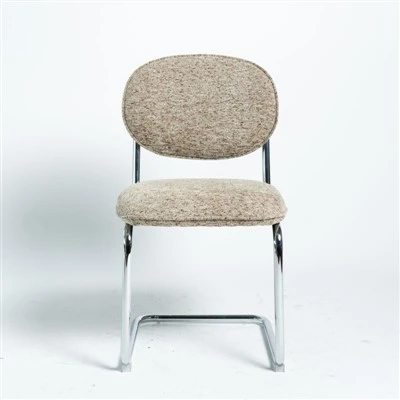
First off, let’s get the basics straight: neither is just “regular plastic.” Both are plastic, but the way they’re made, the materials mixed in, and what they’re meant to do are totally different. Let’s start with hard plastic seats, because those are the ones you probably sat in at a old classroom desk or a cheap folding chair from a big box store. Most hard plastic desk chairs are made from high-density polyethylene (HDPE) or polypropylene (PP)—stuff that’s tough, cheap, and doesn’t bend much. Think of a milk jug; that’s HDPE. It’s rigid, so it doesn’t warp easily when you plop down or shift around. But here’s the thing: “hard” doesn’t mean indestructible. It just means it has a high modulus of elasticity, so it resists bending. If you drop a heavy textbook on it, it won’t dent much, but sit in the same spot for 8 hours straight? That’s where the problem starts.
Wait, let’s pause on that 8-hour thing, because that’s where soft plastic seats come in. Soft plastic (often called “flexible plastic” or sometimes “vinyl-coated plastic,” though not always vinyl) is usually polyvinyl chloride (PVC) with plasticizers added, or even low-density polyethylene (LDPE)—that’s the plastic used for grocery bags, but modified to be sturdier. Those plasticizers are basically liquid chemicals that make the polymer chains slide past each other easier, instead of locking tight like in hard plastic. So soft plastic can bend, give, and contour a little to your body. But here’s a common mix-up: soft isn’t always “better” for long sits, and hard isn’t always “worse.” Let’s get into the real differences that matter for anyone buying office chairs.
First up: posture and comfort during use. Hard plastic seats—let’s be real—they’re flat. Most basic hard plastic desk seats are molded as a single, rigid slab, so there’s no give at all. If you’re sitting cross-legged for 10 minutes, or leaning forward over your laptop, that hard surface digs into your thighs and your lower back. I’ve had a customer tell me his team complained of numb legs after a half day with hard plastic seats—turns out, the rigid seat cuts off blood flow because it doesn’t shift with your weight. On the flip side, soft plastic has a little give, so it distributes your weight more evenly. But wait, too much give is a problem too. I’ve seen cheap soft plastic seats that are so bendy, you feel like you’re sinking into a pancake. Your pelvis tilts forward too much, straining your lower back, because the seat doesn’t support your core. It’s a balance, not just “soft = comfy.”
Next, durability and maintenance—this is where hard plastic actually wins a lot of people over. Hard plastic is super resistant to spills, right? If you knock over your coffee, you just wipe it up with a paper towel—no stain, no warping, no mold growing in crevices. It’s also scratch-resistant, for the most part. If you drag your chair mat a little too fast, or move heavy boxes near it, hard plastic won’t scuff as easily as soft plastic. But wait, UV exposure? If someone’s using a desk chair near a window, hard plastic fades way less over time. Soft plastic’s plasticizers break down when exposed to sunlight, so after a year or two, it gets brittle, cracks, or gets that weird sticky residue from the chemicals leaching out. That’s a big one for people who work home offices with big windows. On the flip side, soft plastic is way easier to clean if you have tiny hands or pets, right? Wait no—wait, soft plastic can absorb liquids a little, even with a coating. If you spill soda, it can seep into the tiny gaps between the plastic molecules, leading to odors or mold over time. Hard plastic is non-porous, so that never happens. I can’t tell you how many daycare centers and cafes go for hard plastic desk chairs for that exact reason—they get wiped down 10 times a day, no problem.
Then there’s weight and design flexibility. Hard plastic seats are lighter, which is great if you’re moving your chair around a lot—like if you have a small office and stack chairs for meetings. But because it’s rigid, the design options are limited. Most hard plastic desk seats are basic shapes, no fancy contours, because you can’t mold a really curved, ergonomic shape out of rigid HDPE without it cracking. Soft plastic, though, can be molded into more flexible, ergonomic curves because it can bend. So you’ll see soft plastic seats with slight back support contours, or rounded edges that don’t dig into your thighs. But that flexibility comes with a trade-off: soft plastic seats are often heavier than hard plastic, because they need extra layers or materials to keep them from tearing. Also, if you’re stacking chairs, soft plastic gets misshapen after a while—you can’t stack 10 soft plastic chairs the same way you can hard plastic ones, because the bendy parts will compress.
Wait, let’s talk about cost, since that’s probably a big factor for most buyers. Hard plastic seats are way cheaper to manufacture. The molds are simpler, the materials are abundant, so the end product is less expensive. That’s why you see them in entry-level desk chairs, or bulk orders for new businesses just starting out. Soft plastic seats are more expensive because of the plasticizers, the more complex molding, and the lower durability—so you’re paying for that little bit of give. But here’s a trick I tell my customers: if you’re on a tight budget and only using the chair for a few hours a day, hard plastic is fine. But if your team sits 8 hours a day, or you have someone with back issues, a mid-range soft plastic seat is worth the extra $20 or $30, because it reduces fatigue and keeps people more focused.
Wait, let’s clear up a common myth I hear all the time: “soft plastic is the same as fabric seats.” No way. Fabric adds cushioning, while soft plastic is still a hard surface, just bendy. It’s a middle ground between hard plastic and fabric. A lot of people mix them up, but fabric is way softer, absorbs more moisture, and stains easier—soft plastic is waterproof, but still has a little give. Another myth: “hard plastic is bad for your back.” Not necessarily. If you pair a hard plastic seat with a proper lumbar support pillow, it’s actually pretty good—no give means your spine stays aligned, instead of sinking into a squishy seat that throws your posture off. It’s all about how you use the chair, not just the seat material.
Dining Bench Let me throw in a quick example from my own customers, because that’s the stuff that matters. Last month, a small marketing agency bought 20 hard plastic desk chairs for their interns. They told me the interns complained of leg numbness after a week, so they swapped 10 for soft plastic seats. The intern is,,,, out desk,,,,,,,,,,,,,,,,,,,,,,,,,,,,,,,,,,,,,,,,,,,,,,,,,,,,,,,,,,,,,,,,,,,,,,,,,,,,,,,,,,,,,,,,,,,,,,,,,,,,,,,,,,,,,,,,,,,,,,,,,,,,,,,,,,,,,,,,,,,,,,,,,,,,,,,,,,,,,,,,,,,,,,,,,,,,,,,,,,,,,,,,,,,,,,,,,,,,,,,,,,,,,,,,,,,,,,,,,,,,,,,,,,,,,,,,,,,,,,,,,,,,,,,,,,,,,,,,,,,,,,,,,,,,,,,,,,,,,,,,,,,,,,,,,,,,,,,,,,,,,,,,,,,,,,,,,,,,,,,,,,,,,,,,,,,,,,,,,,,,,,,,,,,,,,,,,,,,,,,,,,,,,,,,,,,,,,,,,,,,,,,,,,,,,,,,,,,,,,,,,,,,,,,,,,,,,,,,,,,,,,,,,,,,,,,,,,,,,,,,,,,,,,,,,,,,,,,,,,,,,,,,,,,,,,,,,,,,,,,,,,,,,,,,,,,,,,,,,,,,,,,,,,,,,,,
Furnishion (Tianjin) International Co., Ltd.
Furnishion (Tianjin) International Co., Ltd. is one of the most experienced desk chairs manufacturers and suppliers in China. With a professional production team, we are able to meet the needs of the majority of our customers. Please feel free to wholesale high quality desk chairs at competitive price from our factory.
Address: Room 2501, West Tower, Unit 1, Jinta Apartment, 162 Zhang Zizhong Road, Heping District, Tianjin, China
E-mail: export@furnishion.com
WebSite: https://www.furnishion.com/
