If you’ve ever stopped to think about how things like medical supplies, electronics components, or even certain food products reach you without the risk of catching fire during transport or storage, there’s a good chance a special packaging laminated film I supply is part of the solution. For years, I’ve worked directly with manufacturers, logistics teams, and quality control experts who don’t just need packaging that holds their goods together—they need packaging that actively reduces fire risk. That’s where the flame-retardant properties of these special films come in, and today I want to pull back the curtain on what makes them work, why they’re different from standard wrap, and how we engineer them to fit real-world needs. Special Packaging Laminated Film
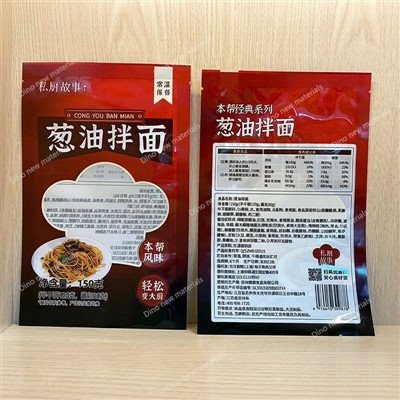
Let’s start with the basics, because “flame retardant” isn’t just a buzzword we toss around to make a product sound safer. It’s a set of specific chemical and physical properties that stop or slow a fire from spreading, giving people time to respond—whether that’s a warehouse worker noticing a small hot spot, a pilot transporting sensitive parts mid-flight, or a first responder on a job site. Standard packaging films, like the clear plastic wrap you’d use for leftovers, are made for flexibility and clarity, not fire resistance. They’ll melt, drip, and feed flames if exposed to even small amounts of heat, which is why we developed special laminated films: they stack different polymer layers, each with a job, to create a barrier that standard films can’t match.
The core of our flame-retardant laminated films comes down to how we integrate flame-resistant agents into the lamination process, not just slapping a coating on top (a trick that often wears off after a few uses or gets scraped off during manufacturing). Most of our films use a layered structure: a core layer of high-density polyethylene (HDPE) or polyethylene terephthalate (PET) that gives the film strength and puncture resistance, a middle layer treated with intumescent flame retardants, and an outer layer that seals everything in and adds a smooth, tear-resistant surface. Intumescent agents are especially effective because they don’t just burn themselves out—they work by foaming up when exposed to high heat, creating a thick, insulative char layer that keeps oxygen and heat away from the rest of the film and the product inside. I learned this from a chemical engineer I’ve partnered with for 10 years: “It’s like putting a fireproof blanket around your goods before you even know there’s a fire,” he told me last month, after we tested a new batch for a medical device client. That char layer is non-flammable, so it doesn’t catch fire, and it slows the transfer of heat so the film doesn’t melt or catch fire easily.
Another key property we focus on is self-extinguishment, which is different from being non-flammable. Non-flammable materials won’t burn at all, but self-extinguishing materials will ignite if exposed to a flame, but will stop burning as soon as the flame is removed. That’s perfect for packaging because it means if a film catches a spark from a faulty wire or a welding tool, it won’t keep burning and spread the fire. We test every batch of our films using the UL 94 standard, which is the global benchmark for flammability of plastics. Our top-tier films meet UL 94 V-0, the highest rating, meaning they extinguish within 10 seconds after a 10-second flame application, with no dripping that could start secondary fires. I still remember the first time we got that V-0 rating for a film designed for aerospace parts—our client had been dealing with packaging that caught fire during a cargo test, and after six months of tweaks, we handed over samples that passed with zero issues. It’s the kind of win that makes the late nights in the lab worth it.
But flame retardancy isn’t a one-size-fits-all trait, and that’s where the special part of our laminated films comes in. Different industries need different levels of protection, and we engineer each film to match that. For example, clients in the electrical and electronics space—who package circuit boards, batteries, and power adapters—need films that resist both flame and heat buildup. Those films have an extra layer of thermally conductive material that pulls heat away from the core, so even if the product inside starts to overheat, the film can’t trap that heat to start a fire. I had a conversation with a battery manufacturer last quarter who told me their previous packaging would start to smoke if a battery cell leaked, but our new laminated film stopped the smoke entirely and didn’t ignite for 20 minutes after exposure to a controlled heat source. That extra time is huge for their quality teams to spot a problem before it becomes a disaster.
For the food and pharmaceutical industries, flame retardancy can’t come at the cost of safety for the end product. That’s why our food-contact and medical-grade laminated films use halogen-free flame retardants—halogen-based agents were common in the past, but they release toxic fumes when they burn, which is a no-go for packaging things that go into the human body or onto plates. Instead, we use phosphorus-based and nitrogen-based agents that are non-toxic, meet FDA and EU food safety standards, and still deliver strong flame resistance. A vaccine manufacturer I work with uses our laminated film to ship temperature-sensitive vaccines in insulated boxes, and their only requirement (besides keeping the vaccines cold) was that the film wouldn’t release any harmful chemicals if it got exposed to a small fire in a warehouse. We tested that, and it passed—no toxic fumes, no ignition, and the vaccines stayed intact. That’s the kind of balance we pride ourselves on: fire safety doesn’t have to mean sacrificing product safety.
Durability is another hidden flame-retardant property that a lot of people overlook. If a film tears easily, it can’t form that protective char layer when exposed to heat, so the flame retardancy is useless. That’s why our laminated films have a high tensile strength and tear resistance, so they don’t break during shipping, handling, or even when being pulled tight around a pallet of goods. I’ve seen too many clients switch to cheaper laminated films that seem like a good deal at first, but tear during transport, leaving their products exposed and the fire protection gone. We test our films for abrasion resistance, puncture resistance, and flexibility in extreme temperatures—from -40°C for cold storage medical products to 60°C for outdoor construction materials—to make sure the flame-retardant properties don’t break down when conditions get tough.
We also work closely with clients to test our films in their own real-world scenarios, not just lab tests. For example, a construction materials company needed packaging for fire-resistant insulation batts, and they didn’t just want a film that passed UL 94—they needed a film that could withstand being dragged across construction sites, exposed to sparks from welding, and hold the insulation tight for six months before being installed. We ran on-site tests with their team, adding extra layers of reinforced PET to the film and adjusting the intumescent agent ratio to work better at high, dry temperatures typical of construction sites. The result was a film that didn’t tear during dragging, stopped welding sparks from igniting the insulation, and maintained its flame-retardant properties even after three months of outdoor exposure. That’s the kind of customization that sets our special laminated films apart from generic packaging.
Of course, no flame-retardant film is perfect, and I always tell clients that our product is a tool, not a solution to every fire risk. It’s important to pair our films with proper storage and handling practices—like not leaving pallets of flammable goods near open flames, having fire extinguishers on hand, and making sure the packaging is installed correctly. But what our films do is add a critical layer of protection that stops small sparks from turning into large fires, which is where most industrial fires start. The National Fire Protection Association (NFPA) reports that packaging-related fires account for 15% of warehouse fires in the U.S., and a lot of those could be prevented with the right flame-retardant packaging. That’s a statistic I share with every new client, because it puts our work into perspective: we’re not just making packaging—we’re helping keep people and products safe.
I’ve been a special packaging laminated film supplier for 12 years, and in that time, I’ve seen the industry evolve a lot. Ten years ago, flame-retardant films were expensive and only used for high-risk products. Now, more and more industries are realizing that it’s worth the investment to avoid the cost of a fire—both in terms of damaged goods, facility downtime, and even legal liability. I’ve worked with small startups making electric skateboards and large aerospace companies launching new satellite parts, all of whom need that extra layer of flame protection. What stays the same, though, is the focus on making films that work as hard as the products they’re holding.
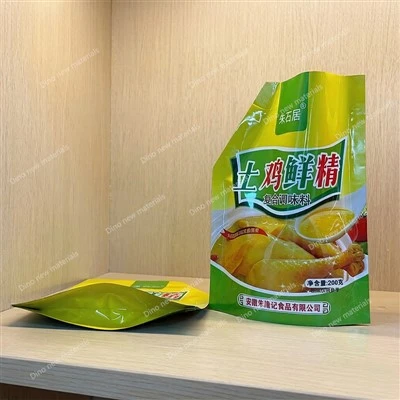
If you’re tired of packaging that lets you down when you need it most—whether that’s a film that catches fire during transport, tears easily, or even releases harmful chemicals when exposed to heat—let’s talk. I can send you free sample rolls tailored to your specific product, run custom tests to match your industry’s standards, and walk you through how our laminated films will fit into your supply chain. No fine print, no pushy sales tactics, just real talk about fire safety and packaging that delivers.
Special Packaging Laminated Film References
- Underwriters Laboratories. (2021). Standard for Safety of Flammability of Plastic Materials for Parts in Devices and Appliances, UL 94.
- National Fire Protection Association. (2022). Warehouse Fire Safety Report: Trends, Causes, and Prevention.
- European Chemical Agency. (2020). Guidance on Flame Retardants for Food Contact Materials.
- International Organization for Standardization. (2019). ISO 1716: Reaction to Fire Tests for Products – Heat of Combustion.
- American Society for Testing and Materials. (2021). Standard Test Method for Tensile Properties of Thin Plastic Sheeting, D882.
Jiangsu Dino New Materials Technology Co., Ltd.
With abundant experience, we are one of the most professional special packaging laminated film manufacturers and suppliers in China. We warmly welcome you to wholesale customized special packaging laminated film made in China here from our factory. If you have any enquiry about free sample, please feel free to email us.
Address: South of Hangzhou Road and east of Hengshan North Road, Sihong Economic Development Zone, Sihong County, Suqian City, Jiangsu Province, China
E-mail: 19551836609@139.com
WebSite: https://www.jsdinuo.com/
