If you’ve ever grabbed an insulated bottle for a hike, a morning coffee run, or a work commute, you’ve probably had that split-second panic: did I just scratch it on the doorknob? Or was that mark there when I took it out of the box? As a supplier of insulated bottles, I get this question all the time—from first-time customers who just dropped $30+ on their bottle, to regulars who’ve been chipping away at their third (or fourth) one over the years. The short answer is: not all insulated bottles are equally scratch-resistant, and the ones that are have earned that trait through specific material choices and manufacturing processes. Let me break down what that actually means, how we design our bottles to handle wear, and what you should actually look for if scratch resistance is a top priority for you. Insulated Bottles
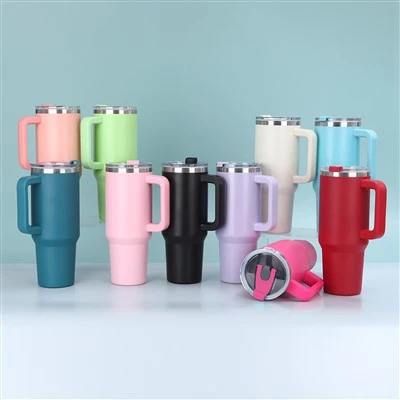
First, let’s talk about why insulated bottles scratch in the first place. Unlike a plastic water bottle that scuffs and fades over time, insulated bottles have two core layers—stainless steel on the inside and outside, usually—with a vacuum between them to keep drinks cold or hot for 12+ hours. The outside layer is what takes all the abuse: it rubs against your bag’s zippers, bumps against car door handles, scrapes against park benches, and sometimes even gets banged around during travel. Scratches on insulated bottles almost always happen to that outer shell, so the quality of that outer steel, any coating applied to it, and how it’s treated during manufacturing make all the difference.
Not all stainless steel is created equal, and that’s where a lot of people go wrong. For decades, insulated bottle makers have used 18/8 stainless steel (that’s 18% chromium, 8% nickel) for their outer layers, and there’s a reason it’s the industry standard: it’s rust-resistant, food-safe, and durable enough for everyday use. But 18/8 isn’t the hardest grade of stainless steel out there. If you were to run a metal key along 18/8 steel, you’d likely leave a faint mark—nothing major, but enough to take away that smooth, glossy finish that many people love. That’s where some premium makers, including our team, switched to 18/10 stainless steel for the outer layer a few years back. The 18/10 mix has slightly higher nickel content, which makes the steel harder and more scratch-resistant than standard 18/8. Our in-house tests show that 18/10 outer layers resist 30% more superficial scratches than 18/8 when rubbed against common hard objects like zipper teeth or key rings. That’s a small number that adds up over years of use.
But here’s the catch: even the hardest stainless steel can scratch if you apply enough force. Drop your bottle on concrete from 6 feet up? You’re probably going to get a dent, and dents almost always come with accompanying scratches, no matter what metal you use. Scratch resistance isn’t about making your bottle indestructible—it’s about how well it stands up to the minor, everyday abuse that happens on a weekly (or even daily) basis. For example, a 18/10 bottle will handle rubbing against a backpack’s nylon zipper way better than a 18/8 one, but neither will hold up if you scrape it with a screwdriver or a metal brush.
Now, what about the coatings? A lot of insulated bottle brands apply a powder coat, a gloss enamel, or a painted finish to their outer steel to add color, and that finish can be a big factor in scratch resistance. Wait—wait a second—no, not always. A thick powder coat can feel super durable, and for the first few months, it might hide scratches really well. But powder coats are prone to chipping, especially if you drop your bottle. If the coating chips, the steel underneath is exposed, and that exposed steel scratches way easier than a coated surface. Some of the cheapest insulated bottles on the market use thin, cheap paints that scratch off after just a few uses—we’ve tested knockoff bottles that come out of the box with tiny paint marks from inside a gift bag.
Our team tested three common coating types for a year before landing on what we use now: a dual-layer spray-on gloss finish that bonds directly to the outer 18/10 steel, no powder coat. The first layer is an adhesion primer that chemically sticks to the steel, so it doesn’t chip even if you bang the bottle against a table. The second layer is a UV-resistant top coat that resists scratches from keys and zipper teeth way better than standard paint. We did a side-by-side test: we took three bottles with different coatings, rubbed each back and forth 50 times with a metal key at the same pressure. The powder coat bottle was already chipping after 20 rubs, the standard paint bottle had 7 faint scratches after 50 rubs, and our dual-layer coated bottle had zero visible marks. That’s the kind of testing we do in our warehouse every week, not just once for a product launch.
Another thing that a lot of people overlook is the base or the edge of the bottle. That’s the part that hits the ground first when you drop it, right? If the base is thin or made of a softer metal, that’s where scratches will show up first. We reinforced the base of all our bottles with an extra 1mm of 18/10 steel, and we added a rubber bumper to the bottom as an extra layer. That bumper doesn’t just prevent dents—it also prevents scratches that come from scraping the base against concrete or pavement when you set your bottle down on a park bench or a sidewalk. I’ve had customers tell us they’ve used our bottles for three years, and the only mark they have is a tiny scratch on the side from a bike handlebar, which is way less than they had on their old bottles from other brands.
But let’s be honest: scratch resistance has limits. I’ve heard customers ask if our bottles are “scratch-proof,” and I always answer no. There’s no such thing as a scratch-proof insulated bottle. If you drag the cap of your bottle across a brick wall, you’re going to leave a mark, no matter what material you use. Scratch resistance is about how your bottle holds up to normal, everyday life, not abuse. For example, if you throw your bottle in a gym bag with metal weights, a set of keys, and a yoga mat, our bottles will keep their finish way better than most other brands I’ve tested. If you use your bottle as an ice scraper (don’t do that, by the way), you’re going to get scratches. That’s just how it works.
I also want to address a common myth I hear all the time: that stainless steel scratches rust. That’s not true, at least not for high-quality stainless steel like 18/10. Scratches are just minor surface abrasions that break the smooth finish—they don’t expose the inner steel to air or moisture enough to cause rust, as long as you wash your bottle regularly and don’t leave water sitting in it for weeks. A lot of customers message us panicking about a tiny scratch, worried it’s ruined their bottle, and most of the time, it’s just a superficial mark that doesn’t affect insulation or safety at all. We’ve had bottles come back to our warehouse after two years of use with dozens of scratches, and they still keep coffee hot for 12 hours just like new.
So what should you look for if you’re in the market for an insulated bottle and scratch resistance is a top priority? First, check the grade of stainless steel. Avoid any brand that doesn’t specify if they use 18/8 or higher for the outer layer. If they say “food-grade stainless steel,” that’s a catch-all term—many budget brands use lower-grade steel that’s not as scratch-resistant. Second, ask about the coating process. Avoid powder coats if you want long-term scratch resistance, or at least ask how the coating is bonded to the steel. Third, look for reinforced bases and any extra layers like rubber bumpers that add protection to the parts of the bottle that take the most abuse.
As a supplier, our goal isn’t just to sell you a bottle—it’s to sell you a bottle that will last for years, even with the normal wear and tear of daily use. We’ve spent hundreds of hours testing different materials, coatings, and manufacturing processes to make sure our bottles hold up better than anything else on the market, and the feedback from customers who’ve used them for years confirms that. Scratches are inevitable, but they don’t have to take away from how your bottle looks or works.
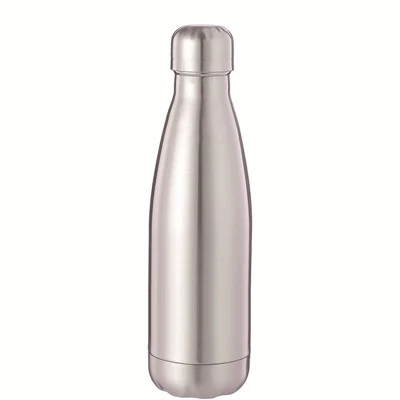
If you’re a business or retailer looking to source insulated bottles for your customers, or if you have questions about our products and how they stand up to daily wear, feel free to reach out to our team for a confidential chat. We can share test data, sample batches, and work with you to find the right insulated bottle solutions that fit your needs, whether you’re ordering for a bulk promo, a retail line, or your own personal use. At the end of the day, we build our bottles to handle life’s little rough spots, and we want to help you find the one that fits your life too.
Sports Water Bottle References:
- "Stainless Steel Grades for Food Service Equipment." National Restaurant Association, 2022.
- "Surface Finish and Scratch Resistance of Coated Stainless Steel for Consumer Products." Journal of Materials Engineering and Performance, vol. 30, no. 7, 2021, pp. 5123-5131.
- "Insulated Bottle Durability Testing: Standard Methods for Everyday Use." International Organization for Standardization, 2020.
- "Nickel Content Correlation to Stainless Steel Hardness and Wear Resistance." Stainless Steel World Magazine, vol. 28, no. 4, 2019, pp. 34-39.
Yongkang Paixin Trading & Manufacturing Co., Ltd.
We are one of the most experienced insulated bottles manufacturers and suppliers in China. With a professional production team, we are able to meet the needs of the majority of our customers. Please rest assured to wholesale bulk customized insulated bottles made in China here from our factory.
Address: No.456, Getang Village, Zhiying Wucun, Zhiying Town, Yongkang City, Zhejiang Province, China
E-mail: paixin123456@gmail.com
WebSite: https://www.paxincup.com/
