As a backhoe loader supplier, I’ve encountered numerous customers who approach us with concerns regarding the maintenance of these versatile machines. Backhoe loaders are indispensable in construction, agriculture, and various other fields due to their dual functionality of a loader in the front and a backhoe in the rear. However, like any heavy – duty equipment, they are prone to several common maintenance issues. In this blog, I aim to shed light on these problems, providing insights that can prove invaluable for both current owners and potential buyers. Backhoe Loader
Engine – related Issues
The engine is the heart of any backhoe loader, and several issues can disrupt its smooth operation. One of the most prevalent problems is overheating. Backhoe loaders often operate in strenuous environments with high workloads, which can lead to excessive heat buildup in the engine. This overheating can be caused by a variety of factors. Firstly, a malfunctioning cooling system can be a culprit. The radiator might be clogged with debris, such as dirt, dust, and leaves, preventing proper heat dissipation. A low coolant level can also contribute to overheating. Regularly checking the coolant reservoir and ensuring it is filled to the appropriate level is crucial. Additionally, a faulty water pump that fails to circulate the coolant effectively can lead to temperature spikes.
Another engine – related headache is oil contamination. The engine oil lubricates moving parts, reduces friction, and prevents wear and tear. However, it can get contaminated with dirt, metal shavings, and coolant over time. Contaminated oil loses its lubricating properties, which can lead to increased friction between engine components, premature wear, and even engine failure. To avoid this, it is essential to change the engine oil and oil filter according to the manufacturer’s recommended schedule. Moreover, regular oil analyses can help detect early signs of contamination, allowing for timely action.
Air filter problems are also quite common. The air filter prevents dust and debris from entering the engine. When it clogs, the engine receives less air, which can lead to a rich fuel – air mixture, reduced power output, and increased fuel consumption. A simple visual inspection of the air filter can indicate if it needs cleaning or replacement. In dusty working conditions, more frequent checks are necessary.
Hydraulic System Troubles
The hydraulic system is what gives backhoe loaders their power and flexibility. But it is also susceptible to a range of maintenance issues. Hydraulic fluid leaks are one of the most visible and potentially dangerous problems. Leaks can occur at various points in the system, such as hoses, fittings, and seals. These leaks not only lead to a loss of hydraulic power but can also pose a safety risk if the fluid comes into contact with hot engine parts or electrical components. Regular inspections of the hydraulic hoses and fittings for signs of wear, cracks, or loose connections are essential. Any leaking components should be replaced immediately.
Contamination of the hydraulic fluid is another significant concern. Dirt, water, and air can enter the hydraulic system, causing damage to the pumps, valves, and cylinders. Water in the hydraulic fluid can lead to corrosion, while dirt and debris can cause abrasion and wear. Air bubbles in the fluid can result in spongy operation and reduced efficiency. To prevent contamination, it is crucial to use high – quality hydraulic fluid and keep the fluid reservoir clean. Regular fluid sampling and analysis can help detect early signs of contamination.
A malfunctioning hydraulic pump can also cause problems. The hydraulic pump is responsible for generating the pressure needed to operate the loader and backhoe functions. If the pump fails, it can lead to a loss of power, slow operation, or complete inoperability of the hydraulic system. Signs of a failing pump include abnormal noises, reduced flow rate, and increased operating temperature. Regular maintenance, such as checking the drive belts and ensuring proper lubrication, can extend the life of the hydraulic pump.
Undercarriage Problems
The undercarriage of a backhoe loader is subjected to a lot of stress and wear. Track tension is a crucial aspect of undercarriage maintenance. Improper track tension can lead to a range of issues. If the tracks are too loose, they can derail, causing downtime and potential damage to the machine. On the other hand, if the tracks are too tight, it can increase wear on the track components, such as sprockets, rollers, and idlers. Regularly checking and adjusting the track tension according to the manufacturer’s specifications is essential.
Worn track components are also a common problem. The sprockets, rollers, and idlers can wear out over time due to the constant friction and stress. Worn sprockets can cause uneven track wear and reduced traction, while worn rollers can lead to a rough ride and increased vibration. Inspecting the track components regularly for signs of wear, such as excessive play or damage, and replacing them as needed can prevent more significant problems.
In the case of wheeled backhoe loaders, tire maintenance is vital. Under – inflated or over – inflated tires can affect the machine’s stability, steering, and fuel efficiency. Regularly checking the tire pressure and inspecting the tires for signs of wear, such as cuts, bulges, or uneven tread wear, is necessary. Proper tire rotation can also help ensure even wear and extend the life of the tires.
Electrical System Faults
The electrical system in a backhoe loader controls a wide range of functions, from starting the engine to operating the lights and other accessories. Battery problems are a common electrical issue. A weak or dead battery can prevent the engine from starting. Over time, batteries can lose their charge capacity due to sulfation, a process where lead sulfate crystals build up on the battery plates. Regularly checking the battery voltage and fluid level (for non – maintenance – free batteries) and keeping the battery terminals clean and tight can help prevent battery issues.
Fuse and wiring problems can also disrupt the electrical system. A blown fuse can cause a particular electrical component to stop working. Identifying the cause of the blown fuse, whether it is a short circuit or an overloaded component, is essential before replacing the fuse. Wiring harnesses can also become damaged due to abrasion, moisture, or vibration. Inspecting the wiring for signs of damage, such as frayed wires or loose connections, and repairing or replacing damaged wiring can prevent electrical failures.
Malfunctioning sensors are another concern. Backhoe loaders are equipped with various sensors to monitor engine performance, hydraulic pressure, and other parameters. A faulty sensor can provide inaccurate information, which can lead to improper operation or even damage to the machine. Regularly testing and calibrating the sensors can help ensure their proper functioning.
Bucket and Attachment Issues
The bucket and other attachments are critical for the functionality of the backhoe loader. Bucket wear is a common problem. The cutting edge of the bucket can wear down due to constant digging and loading operations. A worn cutting edge reduces the efficiency of the bucket and can make it more difficult to penetrate the material. Replacing the cutting edge when it reaches a certain level of wear can improve the performance of the bucket.
Attachment compatibility is also an issue. When using different attachments, it is crucial to ensure they are compatible with the backhoe loader. Incompatible attachments can cause problems, such as reduced performance, increased stress on the machine, and potential damage. Before purchasing an attachment, it is essential to consult the manufacturer’s specifications to ensure a proper fit.
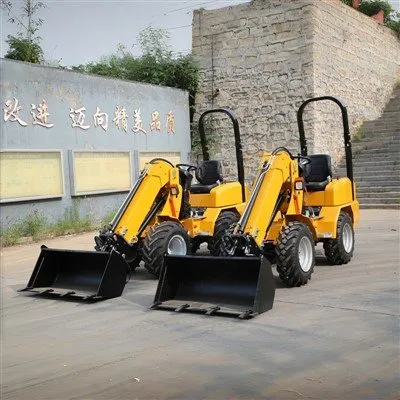
Damage to the attachment mounts can also occur. The attachment mounts are used to connect the buckets and other attachments to the backhoe loader. Frequent use and heavy loads can cause the mounts to become loose or damaged. Regularly inspecting the attachment mounts for signs of wear, cracks, or loose bolts and repairing or replacing them as needed is crucial for safe and efficient operation.
Loader In conclusion, being aware of these common maintenance issues is essential for the proper care and operation of a backhoe loader. As a backhoe loader supplier, we are committed to providing high – quality machines and comprehensive support to our customers. Whether you are looking to purchase a new backhoe loader or need advice on maintenance, we are here to help. If you have any questions or are interested in discussing your specific requirements, please don’t hesitate to get in touch. We look forward to the opportunity to assist you in finding the perfect backhoe loader solution for your needs.
References
- Construction Equipment Maintenance Handbook
- Backhoe Loader Manufacturer’s Manuals
- Industry – specific Journals on Heavy Equipment Maintenance
Jining Sunsail Machinery Co., Ltd.
With abundant experience, we are one of the most professional backhoe loader manufacturers and suppliers in China. We warmly welcome you to buy high-grade backhoe loader made in China here from our factory. For price consultation, contact us.
Address: Room 410, Digital Industry Building, Rencheng District, Jining City, Shandong Province,China
E-mail: Sunsail_machinery@163.com
WebSite: https://www.sunsailmachine.com/
