When it comes to the use of carrier tape, safety precautions are of paramount importance. As a carrier tape supplier, I have witnessed firsthand the significance of adhering to proper safety measures to ensure smooth operations and protect both the product and the personnel involved. In this blog, I will delve into the various safety precautions that should be taken when using carrier tape. Carrier Tape
1. Storage Safety
Proper storage of carrier tape is the first step in ensuring its safe use. Carrier tape should be stored in a clean, dry, and temperature – controlled environment. The ideal temperature range for storage is typically between 20°C and 25°C, with a relative humidity of around 40% – 60%. Extreme temperatures and high humidity can cause the carrier tape to warp, lose its adhesion, or even develop mold, which can compromise its performance.
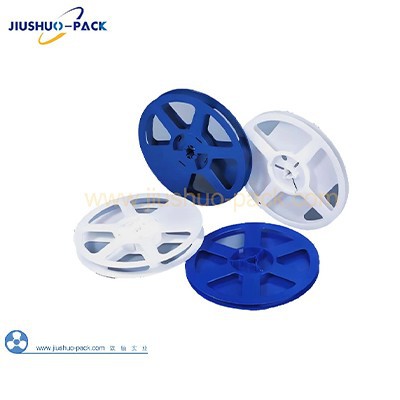
When storing carrier tape, it should be kept on a flat surface to prevent bending or kinking. Coils of carrier tape should be stored in their original packaging or in specially designed storage containers to protect them from dust and physical damage. Additionally, different types and sizes of carrier tape should be clearly labeled and stored separately to avoid confusion during use.
2. Handling Safety
During the handling process, several safety precautions need to be observed. First of all, operators should wear clean gloves to prevent the transfer of oils, dirt, and moisture from their hands to the carrier tape. Oils and dirt can contaminate the carrier tape and affect its ability to hold components securely, while moisture can cause corrosion or other damage to the tape.
When unrolling the carrier tape, it should be done slowly and carefully to avoid sudden jerks or pulls that could cause the tape to break or tear. If the carrier tape is being transferred from one spool to another, proper equipment such as a tape rewinder should be used to ensure a smooth and even transfer.
It is also important to avoid over – stretching the carrier tape. Over – stretching can weaken the tape structure, leading to breakage during the component placement process. Operators should be trained to handle the carrier tape gently and to recognize the signs of over – stretching.
3. Component Loading Safety
When loading components into the carrier tape, safety is crucial. The components should be inspected before loading to ensure they are in good condition and free from defects. Any damaged or defective components should be removed and properly disposed of to prevent them from causing problems during the manufacturing process.
The loading process should be carried out in a clean and static – free environment. Static electricity can attract dust and debris to the carrier tape and components, and it can also cause damage to sensitive electronic components. Anti – static mats, wrist straps, and other static – control devices should be used to minimize the risk of static discharge.
The components should be loaded into the carrier tape cavities accurately and securely. Incorrect loading can lead to misalignment of components, which can cause issues during the assembly process. Operators should be trained to use the appropriate loading tools and techniques to ensure proper component placement.
4. Transportation Safety
If the carrier tape needs to be transported, special care should be taken. The carrier tape should be properly packaged to protect it from physical damage during transit. This may involve using shock – absorbing materials such as foam or bubble wrap to cushion the tape.
The transportation vehicle should also be clean and dry. If the carrier tape is being transported in a truck or other large vehicle, it should be secured to prevent it from shifting or falling during transit. Additionally, the vehicle should be maintained at a suitable temperature and humidity level to prevent damage to the carrier tape.
5. Equipment Safety
When using carrier tape in automated equipment, the equipment itself must be properly maintained and operated safely. The equipment should be regularly inspected for any signs of wear or damage, and any faulty parts should be replaced immediately.
Operators should be trained on how to operate the equipment correctly, including how to load and unload the carrier tape, how to adjust the settings for different types of carrier tape and components, and how to troubleshoot common problems. Safety guards and emergency stop buttons should be installed on the equipment to protect operators from potential hazards.
6. Environmental Safety
The use of carrier tape should also take into account environmental safety. Carrier tape is often made from plastic materials, and proper disposal methods should be followed to minimize environmental impact. When the carrier tape is no longer needed, it should be recycled if possible. Many recycling facilities can process plastic carrier tape, turning it into new products.
In addition, during the manufacturing process, any waste materials generated from the use of carrier tape should be properly collected and disposed of. This includes scraps of carrier tape, as well as any components that are removed during the inspection process.
7. Training and Education
Proper training and education are essential for ensuring the safe use of carrier tape. All operators who handle carrier tape should receive comprehensive training on the safety precautions outlined above. This training should include both theoretical knowledge and practical hands – on experience.
Regular refresher courses should be provided to keep operators up – to – date on the latest safety procedures and best practices. Additionally, safety manuals and guidelines should be readily available in the workplace for operators to refer to.
8. Quality Control
Quality control is an integral part of safety when using carrier tape. Regular quality checks should be carried out on the carrier tape to ensure it meets the required standards. This includes checking the dimensions, adhesion strength, and cavity size of the carrier tape.
Any carrier tape that fails to meet the quality standards should be rejected and not used in the manufacturing process. Quality control measures help to prevent potential safety issues caused by sub – standard carrier tape.
In conclusion, the safe use of carrier tape requires a comprehensive approach that encompasses storage, handling, component loading, transportation, equipment operation, environmental protection, training, and quality control. By following these safety precautions, manufacturers can ensure the reliability and efficiency of their production processes, while also protecting their personnel and the environment.
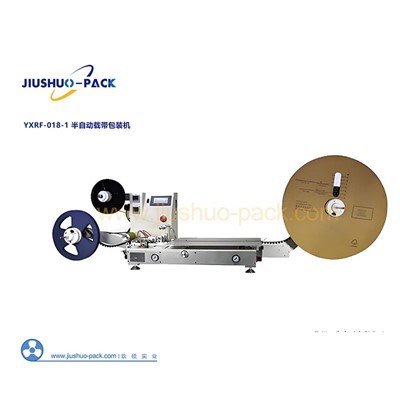
Reel and Tape Packaging Machine If you are in the market for high – quality carrier tape and want to discuss your specific requirements, I encourage you to reach out to us. Our team of experts is ready to provide you with the best solutions and support for your carrier tape needs.
References
- "Handbook of Electronic Packaging Materials"
- "Plastic Packaging Technology"
- "Safety Guidelines for Industrial Manufacturing Processes"
Dongguan Jiushuo Industrial Co., Ltd.
As one of the most professional carrier tape manufacturers and suppliers in China, we also support customized service. Please feel free to buy high quality carrier tape made in China here from our factory. Contact us for more details.
Address: 11th Floor, Building 2, Chuangfu Center, Chashan Town, Dongguan City, Guangdong Province, China
E-mail: sales06@zaidaiw.com
WebSite: https://www.carriertape-pack.com/
