If you’ve ever pulled a bag of premium dried wild mushrooms out of your pantry, ready to toss into a risotto only to realize they’re hard, shriveled, and totally unforgiving, you’re not alone. As a supplier of dried premium wild mushrooms—we’ve had so many customers message us saying they either rehydrate their mushrooms wrong, end up with a mushy, flavorless mess, or just skip the step entirely because it feels like a hassle. Let’s be real: a bad rehydration job can ruin the best risotto, no matter how good your arborio or broth is. And since dried wild mushrooms are basically concentrated, umami-packed flavor bombs, getting the soak right is non-negotiable. Dried Premium Wild Mushrooms
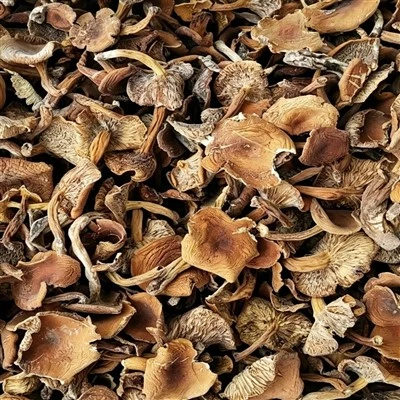
First off, let’s address why dried mushrooms are different from the button mushrooms you pick up at the grocery store. When we harvest wild mushrooms (think chanterelles, porcini, morels, or black trumpets—our faves), we dry them slowly at a low temperature to lock in all that deep, earthy flavor, not just water. That dehydration makes their cell structure super dense, so if you just dump a cup of hot tap water on them and stir for five minutes, you’ll get hard, chewy bits on the outside and totally dry, flavorless cores inside. And if you use boiling water? You’ll cook the surface of the mushrooms too fast, trapping that rich umami inside instead of letting it infuse into whatever you’re using to soak them.
So what’s the actual right way to do this? It’s not rocket science, but there are a few rules that’ll make a massive difference. Let’s break it down step by step, no fancy tools required.
First, pick your soak liquid. A lot of people use plain water, which works, but we always recommend using hot broth—homemade chicken, vegetable, or even the same broth you’re planning to use for your risotto. Why? Two reasons: first, broth adds a tiny layer of extra flavor that soaks into the mushrooms, instead of just plain water that might dilute the end result. Second, if you’re worried about making sure your risotto is extra creamy and rich, rehydrating in the same broth means you don’t have to switch liquids later. Win-win. If you don’t have broth on hand, hot water is fine, just add a pinch of salt or a splash of soy sauce to amp up the flavor a little. That extra salt will help break down those dense mushroom cells faster too.
Next, how much liquid do you need? A common mistake is using too little, which leaves some mushrooms sticking out of the liquid and only soaking halfway through. For every ½ cup of dried wild mushrooms (that’s roughly 50 grams, if you’re into metrics), aim for 2 to 2.5 cups of liquid. That might sound like a lot, but mushrooms expand as they rehydrate, so they’ll soak up most of that liquid, leaving you with that flavorful mushroom-infused liquid to use later. Pro tip: if you’re using a small bowl that’s not big enough, a measuring cup or a small pot works too—just make sure the mushrooms are fully submerged.
Then, the temperature of the liquid. As I said earlier, boiling water is too harsh. You want something hot enough to speed up the rehydration, but not so hot that it cooks the mushrooms. Think between 140°F and 160°F (that’s 60°C to 70°C) — if you’re testing it with your finger, it should feel hot, like a good cup of coffee, not too hot to hold your finger in for a second. Boiling water is around 212°F, so way too much heat. If you don’t have a thermometer, just let your broth cool for a minute after bringing it to a boil, or run tap water hot until it’s not steaming aggressively. That’s perfect.
How long should you soak them? This is where most people get it wrong. A lot of websites say 15 to 20 minutes, but that’s only for small, thin mushrooms like porcini slices. Wild mushrooms like morels or black trumpets are thicker, denser, and can take 30 to 45 minutes to fully rehydrate. Chanterelles are in between, around 25 to 35 minutes. The big test: take a mushroom out, squeeze it gently between your fingers. If it’s still hard in the center, give it a few more minutes. If it’s plump, soft, and has a little give, it’s ready. I usually set a timer for 30 minutes, then check at 25, 35, and so on, just to make sure I don’t oversoak them. Oversoaking is a thing too—if you leave them for two hours, they’ll get mushy and lose that nice, chewy texture that’s ideal for risotto.
Wait, what about that liquid left after soaking? Don’t dump it. That’s liquid gold. All the flavor, the umami, the little bits of mushroom that break off during soaking—all of that is in that liquid. So when the mushrooms are done soaking, take a fine-mesh sieve (or even a coffee filter, if you don’t have a sieve) and strain the liquid into a separate bowl. Why strain? Because there might be tiny dirt particles or debris from harvesting that settled at the bottom of the bowl. If you pour that into your risotto, you’ll get gritty bits, which is the worst. Then you can use that strained liquid as part of your risotto’s cooking liquid, instead of adding plain water. It’ll make the risotto taste way deeper and more complex, no extra effort.
Now, a few extra hacks we’ve picked up from working with our customers over the years, because even if you follow all the steps, little tweaks make a big difference. First, don’t chop the mushrooms before soaking. A lot of people cut them into small pieces first, thinking it’ll speed up rehydration, but that makes it easier for dirt to get inside the gills or crevices. If you soak them whole first, then rinse them gently (wait, hold on—do you rinse the mushrooms after soaking? Good question. We’re not fans of rinsing dried mushrooms before soaking, because you might wash away some of that surface flavor. But after soaking, a quick, gentle rinse under cold water is totally fine, to get rid of any leftover dirt. Then pat them dry with a paper towel before chopping. That’s the sweet spot.
Another hack: if you’re in a rush and can’t wait 30 minutes, use the microwave. I know, it sounds counterintuitive, but it works. Put your dried mushrooms in a microwave-safe bowl, cover with hot water or broth, then microwave on high for 1 to 2 minutes, then let them sit for 5 minutes. That’s enough time for them to rehydrate fully, without getting mushy. Just make sure you don’t microwave them for longer than that, or you’ll start cooking the mushrooms and they’ll get tough. We don’t recommend this for the best flavor, but it’s a great shortcut for weeknights when you don’t have time to plan ahead.
What kind of mushrooms work best for this? All of our premium dried wild mushrooms—porcini, morels, chanterelles, black trumpets, even the mixed packs we sell—work the same way. The key is that they’re dried slowly, so their flavor is concentrated, not burnt or bitter. If you buy cheap dried mushrooms from the grocery store, they might be dried too fast, which can make them bitter, no matter how you rehydrate them. That’s why we only source wild mushrooms that are foraged sustainably, then dried at a low temperature to preserve that earthy, bright flavor. That makes all the difference in the final risotto.
Wait, let’s talk about common mistakes people make, because we hear about these all the time. Mistake #1: Using cold water to soak. It takes way too long—like 2 to 3 hours—and the mushrooms might not rehydrate evenly. Cold water works, but it’s not ideal. Mistake #2: Not straining the soaking liquid. Gritty risotto is such a letdown, and it’s totally avoidable. Mistake #3: Oversoaking. Mushrooms are like sponges—they can only hold so much water, and after a while, the excess water makes them mushy, so when you cook them, they release too much water and make your risotto watery. Mistake #4: Cooking the soaking liquid too fast. If you add it directly to your risotto without straining, that debris will sink to the bottom of your pot and get crunchy, so always strain it.
Let’s walk through a quick example to make it real. Say you’re making a mushroom risotto, and you want to use our dried porcini mushrooms. You take ½ cup of dried porcini, put them in a small bowl, pour 2.5 cups of hot vegetable broth (around 150°F) over them, make sure they’re fully submerged, and set a timer for 30 minutes. While they soak, you chop your arborio onion, sauté garlic, get your broth ready. When the timer goes off, you take a mushroom, squeeze it—no hard center, perfect. You take a fine-mesh sieve, set it over a bowl, pour the mushrooms and liquid through, strain that delicious liquid, rinse the mushrooms gently, pat them dry, chop them into small pieces. Then you sauté the chopped mushrooms in a little butter for a minute, add your arborio, toast it, then add the porcini-infused broth one ladle at a time, just like regular risotto. The final risotto will have that deep, umami porcini flavor, no grit, and the mushrooms will be plump and chewy, not mushy. That’s exactly what you’re going for.
Now, a little note on storage. If you have leftover rehydrated mushrooms, they’ll keep in the fridge for up to 3 days, or you can freeze them for up to 3 months. The soaking liquid can also be frozen, so you can pull it out anytime you want to make a quick risotto or add flavor to soup. That’s a great way to use every part of the mushroom, no waste.
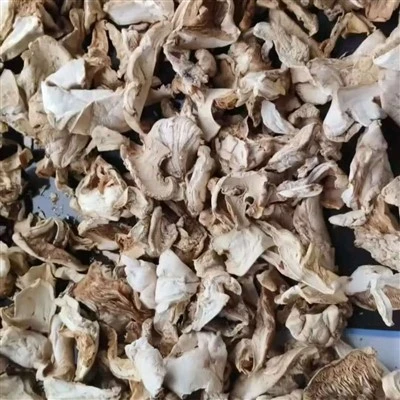
At the end of the day, rehydrating dried wild mushrooms isn’t complicated—it’s just about being patient, using the right liquid, and not cutting corners. That’s why we put so much care into our premium dried wild mushrooms: we know that the little details matter, and good mushrooms make a good risotto great. If you’re looking to stock up for your restaurant, your own pantry, or your next big meal, we’d love to chat more. Whether you have questions about how to use our mushrooms, or want to place a bulk order for your kitchen, feel free to reach out. We’re always here to help you get the best flavor out of every bag of dried wild mushrooms.
Dried Bolete References: 1. Mushroom Council. (n.d.). Dried Mushroom Rehydration Tips. Retrieved from industry publications on mushroom preparation. 2. Food & Wine Test Kitchen. (2021). The Right Way to Rehydrate Dried Mushrooms for Risotto. Culinary guide for home and professional cooks. 3. Sustainable Foraging Alliance. (2022). Best Practices for Drying Wild Mushrooms to Preserve Flavor. Agricultural resource for specialty food producers.
Qingyuan Manchu Autonomous County Lichang Native Produce Co., Ltd.
We are one of the most professional dried premium wild mushrooms manufacturers and suppliers in China, featured by quality products and good price. Please rest assured to wholesale bulk dried premium wild mushrooms for sale here from our factory. Welcome to view our website for more information.
Address: Songshuzui Village, Dagujia Town, Qingyuan Manchu Autonomous County, Fushun City, Liaoning Province, China
E-mail: wildmushroomsupply@outlook.com
WebSite: https://www.wildmushroomsupply.com/
