If you’ve ever walked down the packaging aisle, stared at two rolls of stretch film side by side, and thought “wait, are these the same thing?”, you’re not alone. I get at least a dozen messages a week from people mixing up mini stretch film and hand stretch film, and honestly? I don’t blame them—they look almost identical at first glance. But when it comes to what they do, how they work, and why you’d pick one over the other? That’s where the lines get blurry for a lot of folks. As someone who’s been in the mini stretch film game for years (not some random side hustle, I’ve supplied packaging teams small and large for over a decade now), I’m breaking this down without all the stuffy industry jargon you’d find on a textbook page. Let’s dive in. Mini Stretch Film
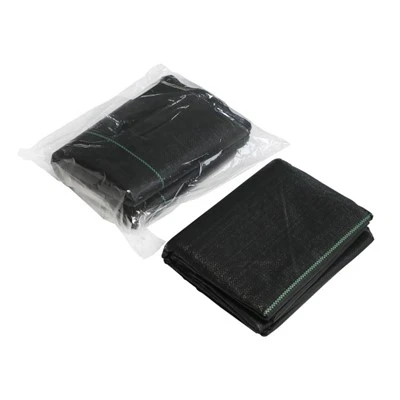
First, let’s get the basic definitions out of the way, because that’s where most of the confusion starts. Hand stretch film is the old-school stuff—you’ve definitely seen it before: big, bulky rolls that look like they belong on a giant dispenser, the kind you yank tight, wrap around a pallet, and cut with a little blade built into the tool. It’s made for pallet-level wrapping, right? You’re using it to hold a whole stack of boxes together, keep dirt and moisture out during shipping, that kind of thing. Mini stretch film? That’s our bread and butter. It’s smaller rolls—usually 2 to 5 inches wide, not the 18-inch monsters hand film guys use. I know, it sounds like just a size difference, but it’s way more than that. The design, the material, even the jobs they’re used for? All different.
Let’s talk about size and dimensions first, because that’s the most obvious thing anyone can spot. Hand stretch film rolls are massive. Think about the standard hand dispenser: the roll on that thing is like 12 to 18 inches wide, and the core is 3 inches or more in diameter. Each roll has thousands of feet of film on it, enough to wrap a dozen pallets before you even have to swap it out. Mini rolls? They’re tiny. Usually 2 to 5 inches wide, cores that are 1 inch or smaller, and most rolls are 500 to 1500 feet long. That’s a big difference if you’re grabbing a roll for quick, one-off jobs, not an entire warehouse’s worth of pallets. But don’t let the small size fool you—mini film is way more flexible than you think.
Next up: stretchability, which is basically the whole point of stretch film, right? Hand stretch film is designed to stretch a lot, like 200 to 300% of its original length. You pull it super tight around a pallet, it clings to itself and the boxes, and it stays put even through rough shipping. But that high stretch level comes with a catch—hand film is thicker, usually around 80 to 100 gauge (gauge is just a unit for film thickness, by the way). You have to put some muscle into it to get that stretch, especially if you’re wrapping heavy, bulky items. If you don’t pull it tight enough, the pallet can come apart.
Mini stretch film? It’s designed for smaller loads, so its stretch is a little different. Most mini film has a stretch range of 150 to 250%—still solid, but not as extreme as hand film. And here’s the thing: because it’s thinner (usually 40 to 60 gauge), it’s easier to stretch. No one wants to huff and puff to wrap a handful of boxes for a local delivery, right? Mini film is made for quick, light stretching, so even if you’re not a pro, you can get a tight, secure wrap without straining your arm. That’s a huge win for small businesses, cafes, or teams that only wrap a few items a day, not entire pallets.
Now, let’s talk about use cases, because this is where the real “why pick one over the other” stuff comes in. I see people misuse mini film all the time, and it makes me want to grab a roll and show them. Hand stretch film is made for heavy, palletized shipments. If you’re moving a pallet of 50 appliance boxes across the country, or stacking pallets in a warehouse, hand film is your guy. It’s thick, durable, and that high stretch means it can handle the vibration of a semi-truck, rain, being dragged off a loading dock—all that rough stuff. It’s also only really meant for wrapping large, flat loads, not small, irregular items.
Mini stretch film is for everything else. Let’s list out the jobs I see it used for every single week: packaging small parts for shipping (think electronics components, jewelry, auto parts), wrapping individual boxes for local deliveries, bundling items together (like a set of 2 t-shirts, a bottle of shampoo and a conditioner, or a stack of flyers), securing loose items inside a larger box so they don’t shift during shipping, even covering small items to keep dust off while they’re stored. I’ve had clients use mini film to wrap up a whole order of custom mugs so none of them chip when they go out, or bundle garden tools so they don’t get tangled in transit. There’s no way you’d use a 18-inch hand roll for that—you’d waste half the film, it would be too bulky, and it would be way harder to maneuver around small items.
Another big difference is dispensing and handling, which might sound trivial but makes a huge difference in how fast you can get your job done. Hand stretch film requires a dispenser, right? You can’t really use it by itself—you need that big plastic or metal tool with a handle to hold the roll, keep it from unspooling too fast, and cut it. Dispensers are useful for pallets, but they’re clunky. You can’t toss one in your truck for a quick stop at the post office, and you can’t wrap something on a workbench without holding the dispenser the whole time.
Mini stretch film? Most people use it by hand, no dispenser needed. It’s small enough to grip in one hand, unspools smoothly, and you can tear it off with your other hand when you’re done. No tools, no extra gear, just you and a roll. That’s why it’s perfect for on-the-go jobs, small spaces, or anyone who doesn’t want to mess with a big dispenser. I’ve had a café owner use mini film to wrap up bulk coffee bags for a local delivery driver, a mechanic wrap up small engine parts so they don’t get grease on other tools, and an Etsy seller wrap up custom order jewelry before putting it in a shipping box. All of that would be a pain with hand film.
Wait, let’s talk about cling too, because that’s what makes stretch film work. Both types cling to themselves, right? But the cling level is different. Hand stretch film has high cling—when you pull it tight around a pallet, it sticks to itself so it doesn’t unravel, even if it’s exposed to wind or rain. That’s crucial for long-distance shipping. Mini film has medium cling, which is perfect for small loads. If it’s too high, it would stick to the boxes you’re wrapping and leave a residue, or be impossible to adjust if you mess up a wrap. If it’s too low, it would come undone easily. Mini film strikes that balance perfectly for the jobs it’s meant for, no sticky mess required.
Now, common myths I hear all the time, because people ask me about these too. First myth: “Mini stretch film is just thin hand film cut into smaller rolls.” No way. We don’t take a big hand roll and slice it into 3-inch pieces—they’re made with different formulas. Mini film has additives that make it more flexible and easier to stretch by hand, while hand film has additives that make it more durable for heavy pallets. If you use hand film for small jobs, it’s too stiff and hard to work with, and it will leave way more excess than you need. If you use mini film for pallets, it’s not thick or stretchy enough to hold a heavy load through a long shipment—you’ll end up with boxes falling off the pallet by the time it arrives.
Second myth: “Mini film is cheaper so you should use it for everything.” Nope, that’s a recipe for disaster. Mini film rolls are smaller, so per linear foot, they’re actually a little more expensive than hand film rolls. Wait, hold on—let’s do the math quick. A standard hand roll is 18 inches wide, 1500 feet long. That’s 18 * 1500 = 27,000 square feet of film, usually around $25. A mini roll is 3 inches wide, 1000 feet long. That’s 3 * 1000 = 3,000 square feet, usually around $3. So per square foot, hand film is cheaper—way cheaper. But you don’t need that much film for a small job. If you wrap one shirt bundle with hand film, you’re using 2 feet of that big roll, which is way more than you need, wasting money. If you wrap a pallet with mini film, you’ll go through rolls way faster than you would with hand film, costing you more in the long run. It all depends on the job size.
Another thing I should mention: environmental stuff, because that’s what everyone cares about these days. Both types are mostly recyclable, but again, it depends on how they’re used. Hand film is thicker, so it’s a little harder to recycle if it’s dirty (like if it’s covered in pallet dust or shipping debris). Mini film is thinner, easier to clean, and a lot of the newer mini film rolls are made with more recycled content now, because they’re designed for smaller, lighter jobs. But that’s not a hard rule—always check the packaging or ask your supplier about recycled content if that’s a big deal for your business.
Let me give you a real example that I use with my customers all the time. Last month, I had a customer who owned a boutique pet supply shop. She was shipping small orders of dog toys, treats, and collars. She was using hand stretch film for all of her orders, and she was complaining that she was wasting so much film—she’d wrap a small order of 2 toys with a whole 18-inch strip of hand film, costing her extra money and leaving excess plastic. I showed her mini stretch film, and she switched immediately. Now she uses a 3-inch mini roll, wraps each small order in a few quick twists, uses way less plastic, and saves about $150 a month on packaging costs. That’s exactly what mini film is for.
On the flip side, a construction supply company reached out to me last quarter asking about mini film for wrapping pallets of 100-pound bags of cement. I had to tell them no—mini film isn’t strong enough for that. They tried it anyway, and half a dozen pallets had bags fall off during a delivery, costing them thousands in damaged goods and late fees. Hand film would have been perfect for them—thick, stretchy enough to hold heavy pallets, durable enough to handle rough treatment. That’s the difference in a nutshell: pick the right tool for the right job.
So putting it all together, the key differences aren’t just size. They’re use case, stretch level, thickness, handling, and even cost depending on how much you need. Hand stretch film is for heavy, large loads, pallets, long-distance shipping, and requires a dispenser. Mini stretch film is for small loads, bundling small items, quick local deliveries, no tools needed, and is way easier to maneuver around tight spaces.
Wait, one more thing that a lot of people don’t talk about: safety. Hand stretch film is thicker, so when you pull it tight, it can snap back if you’re not careful— I’ve seen people get their fingers cut or bruised by a flying piece of hand film. Mini film is thinner, so if it snaps, it’s less likely to cause injury. That’s a big plus for places that have multiple employees wrapping stuff, or for small businesses where it’s just one or two people doing all the packaging.
If you’re still confused about which one you need, here’s a quick cheat sheet. Ask yourself: Am I wrapping loads that are the size of a standard pallet? If yes, go hand stretch film. If no—if you’re wrapping individual boxes, small bundles, parts, or local deliveries—go mini stretch film. And don’t be afraid to test both if you’re not sure! I always tell people to grab a small sample roll of mini film (I send those out all the time, no hassle) and try it for a week before committing.
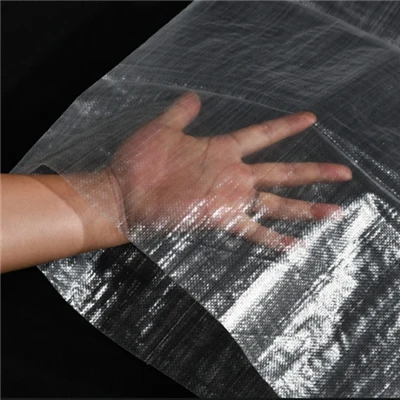
At the end of the day, both stretch films do the same core job: keep your items secure during handling and shipping. But using the wrong one is just going to cost you time, money, and damaged goods. I’ve been in this long enough to know that the best packaging isn’t the most expensive one—it’s the one that fits exactly what you need.
Mini Stretch Film If you’re tired of wasting money on the wrong film, or you’re not sure which one is right for your business, hit me up to chat. No hard sell, no confusing jargon, just straight up advice based on what I’ve seen work for hundreds of different types of businesses, from Etsy sellers to construction companies. We can talk through your needs, send samples if you want, and get you set up with whatever works for you. Don’t overcomplicate it—sometimes the right roll is just the right size for the job.
References
- Stretch Film Industry Association. (2022). Stretch Film Types and Applications for Packaging Logistics. Retrieved from industry association technical documentation.
- Packaging Digest. (2021). Mini Stretch Film: What You Need to Know for Small-Batch Packaging.
- Material Testing Institute. (2020). Gauge and Stretch Performance of Hand vs. Mini Stretch Film for Shipping Applications.
- Small Business Packaging Guide. (2023). Cost-Effective Packaging: Matching Film Type to Load Size.
Linyi Dongyi Import&Export Co., Ltd.
As one of the most professional mini stretch film manufacturers and suppliers in China, we offer a wide range of products with superior quality. We warmly welcome you to wholesale bulk customized mini stretch film from our factory. If you have any enquiry about quotation, please feel free to email us.
Address: 4 F, Zone A, Zhangjia Zhuxu Village, Lanshan District, Linyi City.
E-mail: donglai01972@gmail.com
WebSite: https://www.donglaipack.com/
