As a conduit supplier, I’ve encountered numerous inquiries regarding the lifespan of conduits. In this blog post, I aim to shed light on this crucial topic, exploring the factors that influence a conduit’s longevity and providing valuable insights for our customers. Conduit

Understanding Conduits
Before delving into the lifespan of conduits, it’s essential to understand what they are and their primary functions. Conduits are protective tubes used to route and protect electrical wiring, cables, or other utilities. They come in various materials, including metal, plastic, and fiber – glass, each with its own set of characteristics and applications.
Conduits serve multiple purposes. Firstly, they safeguard wires from physical damage, such as cuts, abrasions, and impacts. Secondly, they provide a degree of fire protection by containing electrical fires and preventing the spread of flames. Additionally, conduits help in organizing and managing wiring systems, making maintenance and future upgrades more straightforward.
Factors Affecting the Lifespan of Conduits
Material Quality
The quality of the material used in manufacturing a conduit is a significant determinant of its lifespan. High – quality materials are more resistant to corrosion, wear, and tear. For example, stainless – steel conduits are known for their excellent corrosion resistance, especially in harsh environments. They can last for several decades, even in coastal areas where the air is salty. On the other hand, low – quality plastic conduits may degrade more quickly when exposed to sunlight, heat, or chemicals.
Environmental Conditions
The environment in which a conduit is installed plays a crucial role in determining its lifespan. Conduits exposed to extreme temperatures, high humidity, or chemicals may experience accelerated deterioration. In a hot and humid climate, plastic conduits may become brittle and crack over time. Similarly, conduits installed in industrial settings where they are exposed to chemicals or abrasive materials are at a higher risk of damage.
Conversely, conduits installed in a controlled environment, such as an indoor data center with stable temperature and humidity, can have a much longer lifespan. For instance, conduits in a well – maintained office building can last for 20 to 30 years without significant issues.
Installation Quality
Proper installation is essential for ensuring the long – term performance of conduits. Incorrect installation, such as improper fitting, incorrect support spacing, or inadequate sealing, can lead to premature failure. For example, if a conduit is not properly sealed, moisture can enter the conduit, causing corrosion of the wires inside and eventually damaging the conduit itself.
Well – trained installers who follow industry standards and best practices can significantly extend the lifespan of conduits. They will ensure that the conduits are correctly sized, securely fastened, and protected from potential sources of damage during installation.
Usage and Maintenance
The way a conduit system is used and maintained also affects its lifespan. Overloading a conduit with too many wires can cause overheating, which may damage the conduit and the wires inside. Regular maintenance, such as visual inspections for damage, cleaning to remove debris, and timely replacement of worn – out components, can help identify and address potential problems before they become severe.
A conduit system that is used within its design capacity and undergoes regular maintenance can have a significantly longer lifespan compared to a system that is ignored or misused.
Lifespan Estimates for Different Conduit Materials
Metal Conduits
- Steel Conduits: Galvanized steel conduits are commonly used in many applications. They offer good mechanical protection and can last for 20 – 50 years, depending on the environment. In a normal indoor environment, they can easily last 30 – 50 years. However, in a highly corrosive environment, their lifespan may be reduced to 20 years or less if proper protective coatings are not applied.
- Stainless – Steel Conduits: Stainless – steel conduits are highly resistant to corrosion. They can last for 50 years or more, even in harsh environments such as chemical plants or coastal areas. Their long lifespan makes them a popular choice for applications where durability is crucial.
Plastic Conduits
- PVC Conduits: PVC (Polyvinyl Chloride) conduits are widely used due to their low cost and ease of installation. In a typical indoor environment, they can last for 20 – 30 years. However, when exposed to direct sunlight or harsh chemicals, their lifespan may be reduced to 10 – 15 years. UV – resistant PVC conduits are available, which can extend their lifespan in outdoor applications.
- HDPE Conduits: High – Density Polyethylene (HDPE) conduits are known for their flexibility and resistance to moisture and chemicals. They can last for 30 – 50 years, depending on the environmental conditions. HDPE conduits are often used in underground applications, where their durability and resistance to soil moisture make them a suitable choice.
Fiber – Glass Conduits
Fiber – glass conduits offer excellent corrosion resistance and are lightweight. They can last for 30 – 50 years, making them a good option for both indoor and outdoor applications. Their non – conductive nature also makes them suitable for electrical installations where electrical isolation is required.
Maximizing the Lifespan of Conduits
To ensure that your conduit system lasts as long as possible, it’s important to take the following steps:
- Select the Right Material: Choose a conduit material that is appropriate for the specific application and environment. Consider factors such as corrosion resistance, temperature tolerance, and mechanical strength.
- Proper Installation: Hire experienced installers who are familiar with industry standards and best practices. Ensure that the conduits are installed correctly, with proper fitting, support, and sealing.
- Regular Maintenance: Establish a regular maintenance schedule to inspect the conduits for damage, wear, and tear. Clean the conduits to remove debris and address any issues promptly.
- Avoid Overloading: Ensure that the conduit is not overloaded with wires. Follow the manufacturer’s guidelines for the maximum number of wires that can be installed in a conduit of a particular size.
Why Choose Our Conduits
As a conduit supplier, we are committed to providing high – quality conduits that meet the highest industry standards. We offer a wide range of conduit materials, including metal, plastic, and fiber – glass, to suit various applications and environments. Our conduits are manufactured using the latest technology and strict quality control measures to ensure their durability and reliability.
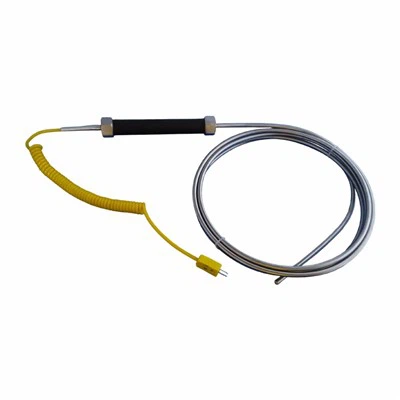
We also provide technical support to help our customers select the right conduits for their specific needs and ensure proper installation. Our team of experts is always available to answer any questions and provide guidance on maximizing the lifespan of your conduit system.
A Bimetallic Thermometer If you are in the market for high – quality conduits, we invite you to contact us for more information. We look forward to discussing your requirements and helping you find the perfect conduit solution for your project. Whether you are working on a small residential installation or a large – scale industrial project, we have the expertise and products to meet your needs.
References
- National Electrical Code (NEC)
- International Electrotechnical Commission (IEC) Standards
- Product manuals and technical data sheets from conduit manufacturers
Jiangsu Zhaolong Electric Co., Ltd.
Address: No. 80, Zhangguo Chang’an Road, Dainan Town, Xinghua City, Jiangsu Province
E-mail: 180193845@qq.com
WebSite: https://www.cnzhaolong.com/
