Zirconia ceramic foam filters are essential components in the foundry industry, particularly in the purification of molten metals. As a trusted supplier of zirconia ceramic foam filters, I am often asked about various technical aspects of these products, one of the most frequent inquiries being about their surface area. In this blog post, I will delve into what the surface area of zirconia ceramic foam filters means, why it matters, and how it impacts the performance of the filters in metal casting processes. Zirconia Ceramic Foam Filter
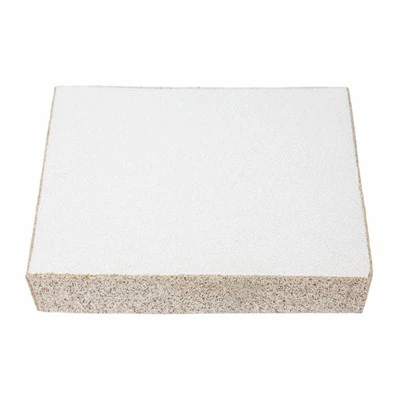
Understanding Surface Area in Zirconia Ceramic Foam Filters
The surface area of a zirconia ceramic foam filter refers to the total area of the internal and external surfaces of the filter structure. Unlike solid or simple – shaped objects, ceramic foam filters have a highly porous and complex three – dimensional structure. This structure is composed of interconnected struts that form a network of cells, much like a sponge. The large number of cells and the intricate nature of the strut network contribute to a significantly large surface area relative to the filter’s physical size.
To measure the surface area of a zirconia ceramic foam filter accurately, specialized techniques are required. One common method is the Brunauer – Emmett – Teller (BET) analysis. This technique involves measuring the adsorption and desorption of a gas (usually nitrogen) on the surface of the filter material at a low temperature. By analyzing the amount of gas adsorbed and the pressure changes during the process, the surface area can be calculated.
Why Surface Area Matters
The surface area of a zirconia ceramic foam filter is a critical factor that directly influences its performance in metal filtration. Here are some key reasons why surface area is so important:
1. Filtration Efficiency
A larger surface area provides more contact points between the molten metal and the filter material. When molten metal passes through the filter, inclusions such as oxides, sulfides, and non – metallic particles in the metal come into contact with the surface of the filter. The greater the surface area, the more opportunities there are for these inclusions to adhere to the filter, resulting in higher filtration efficiency. This means that a filter with a larger surface area can remove more impurities from the molten metal, leading to cleaner castings with fewer defects.
2. Flow Resistance
The surface area also affects the flow resistance of the molten metal through the filter. A well – designed filter with an appropriate surface area can balance the need for high filtration efficiency with low flow resistance. If the surface area is too large, the flow of molten metal may be restricted, causing excessive pressure drops and potentially leading to incomplete filling of the mold. On the other hand, if the surface area is too small, the filtration efficiency will be compromised.
3. Chemical Reaction and Adsorption
In addition to mechanical filtration, zirconia ceramic foam filters can also participate in chemical reactions with the molten metal and adsorb certain elements. A larger surface area provides more sites for these chemical reactions and adsorption processes to occur. For example, zirconia can react with some impurities in the molten metal, forming stable compounds that are then trapped on the filter surface.
Factors Affecting the Surface Area of Zirconia Ceramic Foam Filters
Several factors can influence the surface area of zirconia ceramic foam filters:
1. Pore Size and Distribution
The pore size and distribution of the ceramic foam directly affect the surface area. Generally, smaller pore sizes result in a larger surface area because there are more cells and a greater length of struts within a given volume. However, smaller pores also increase the flow resistance of the molten metal. Therefore, a balance must be struck between pore size, surface area, and flow characteristics. Our filters are available in a range of pore sizes to meet the specific requirements of different casting applications.
2. Manufacturing Process
The manufacturing process of zirconia ceramic foam filters has a significant impact on their surface area. During the production process, factors such as the choice of raw materials, the foaming agents used, and the sintering conditions can all affect the final structure and surface area of the filter. Our company uses advanced manufacturing techniques to control these factors precisely, ensuring that each filter has a consistent and optimized surface area.
3. Filter Thickness
The thickness of the filter can also influence its surface area. A thicker filter typically has a larger total surface area, but it may also increase the flow resistance. Therefore, the thickness of the filter needs to be carefully selected based on the specific casting requirements, such as the type of metal, the casting size, and the desired filtration level.
Measuring and Controlling the Surface Area
As a supplier, we understand the importance of accurately measuring and controlling the surface area of our zirconia ceramic foam filters. We use state – of – the – art testing equipment to measure the surface area of each batch of filters. This ensures that our products meet the highest quality standards and perform consistently in different foundry applications.
In addition to measuring the surface area, we also optimize our manufacturing processes to control it. We have a team of experienced engineers who continuously research and develop new techniques to adjust the pore structure, size, and thickness of the filters to achieve the best surface area for different customer needs.
Applications of Zirconia Ceramic Foam Filters with Optimized Surface Area
Zirconia ceramic foam filters with the right surface area are widely used in various metal casting industries:
1. Aluminum Casting
In the aluminum casting industry, zirconia ceramic foam filters are used to remove inclusions from molten aluminum. The optimized surface area of our filters can effectively capture small oxide particles and improve the quality of aluminum castings, such as automotive parts and aerospace components.
2. Copper and Brass Casting
For copper and brass casting, the high surface area of our zirconia ceramic foam filters helps to remove impurities and improve the mechanical properties and surface finish of the castings. This is particularly important in the production of high – performance electrical components and decorative items.
3. Steel Casting
In steel casting, the ability of zirconia ceramic foam filters with a large surface area to filter out non – metallic inclusions can significantly enhance the quality and reliability of steel castings, such as machine parts and structural components.
Conclusion

The surface area of zirconia ceramic foam filters is a crucial parameter that affects their filtration efficiency, flow resistance, and chemical reactivity. As a reliable supplier, we are committed to providing high – quality filters with optimized surface areas to meet the diverse needs of the foundry industry. Our advanced manufacturing techniques and strict quality control measures ensure that our filters perform consistently and effectively in various metal casting processes.
Extruded Ceramic Filter If you are looking for zirconia ceramic foam filters that can improve the quality of your castings, we would be delighted to discuss your specific requirements. Our team of experts is ready to provide you with professional advice and customized solutions. Whether you are in the aluminum, copper, brass, or steel casting industry, we have the right filter for you. Don’t hesitate to contact us for further information and to start a procurement discussion.
References
- ASTM International Standards on Ceramic Foam Filters for Metal Casting
- "Handbook of Ceramic Foams" by various authors
- Research papers on the surface properties of zirconia ceramics in scientific journals such as the Journal of the American Ceramic Society.
Shanxi Dingtai Yinrui Filter Manufacturing Co., Ltd.
As one of the most professional zirconia ceramic foam filter manufacturers and suppliers in China, we’re featured by quality products and good service. Please feel free to buy high-grade zirconia ceramic foam filter made in China here from our factory. Contact us for more details.
Address: Plant 1-2, No.3 Xuhu Business and Trade Industrial Park, Houma Economic Development Zone, Linfen, Shanxi, China
E-mail: tina@dtcastingfilters.com
WebSite: https://www.dingtaifilter.com/
