Hey there! I’m a supplier of hydraulic valve blocks, and I’ve been in this business for quite a while. Over the years, I’ve learned a thing or two about how to optimize the design of these bad boys. In this blog, I’m gonna share some tips and tricks that I’ve picked up along the way to help you get the most out of your hydraulic valve block design. Hydraulic Valve Block
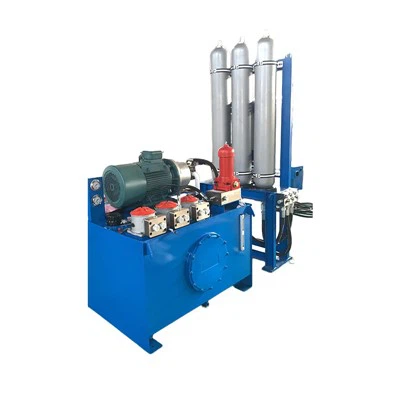
Understanding the Basics
Before we dive into the optimization process, let’s start with the basics. A hydraulic valve block is a crucial component in a hydraulic system. It houses various valves and passages that control the flow, pressure, and direction of hydraulic fluid. The design of the valve block can significantly impact the performance, efficiency, and reliability of the entire hydraulic system.
Know Your Requirements
The first step in optimizing the design of a hydraulic valve block is to understand your specific requirements. Think about what the hydraulic system needs to do. What kind of valves are required? What are the flow rates and pressure levels? How many ports do you need, and where should they be located? These are all important questions that you need to answer before you start designing.
For example, if you’re designing a valve block for a mobile construction equipment, you might need to consider factors like space limitations, weight, and vibration resistance. On the other hand, if it’s for an industrial machinery, you might focus more on high flow rates and precise control.
Select the Right Materials
The choice of materials for your hydraulic valve block is also crucial. Common materials include aluminum, steel, and cast iron. Each material has its own advantages and disadvantages.
Aluminum is lightweight, corrosion-resistant, and easy to machine. It’s a great choice for applications where weight is a concern, such as in aerospace or mobile equipment. Steel, on the other hand, is strong and can withstand high pressures. It’s often used in industrial applications where reliability and durability are top priorities. Cast iron is known for its good damping properties and is commonly used in situations where vibration needs to be minimized.
Design Considerations
Now that we’ve covered the basics, let’s talk about some specific design considerations that can help you optimize your hydraulic valve block.
Flow Path Design
The flow path design is one of the most critical aspects of a hydraulic valve block. A well-designed flow path can minimize pressure losses, reduce heat generation, and improve the overall efficiency of the system.
When designing the flow paths, try to keep them as short and straight as possible. Avoid sharp turns and unnecessary bends, as these can cause turbulence and increase pressure losses. You can also use flow optimization software to simulate the fluid flow and identify any potential problems in the design.
For example, if you have a valve block with multiple valves, you might want to arrange them in a way that allows for a smooth and continuous flow of fluid. This can help reduce the chances of cavitation and other flow-related issues.
Port Layout
The port layout is another important consideration. The ports should be arranged in a way that makes it easy to connect the hydraulic hoses or pipes. You also need to consider the accessibility of the ports for maintenance and inspection.
In addition, the port size should be carefully selected based on the flow rate requirements. Using ports that are too small can restrict the flow and increase pressure losses, while using ports that are too large can waste space and increase the cost of the valve block.
Valve Placement
The placement of the valves in the valve block can also have a significant impact on its performance. You need to make sure that the valves are placed in a way that allows for easy operation and maintenance. You also need to consider the interaction between the valves and the flow paths.
For example, if you have a directional control valve, you might want to place it close to the actuator to minimize the response time. If you have multiple valves that need to work together, you should arrange them in a way that ensures proper communication and coordination.
Manufacturing and Testing
Once you’ve finalized the design of your hydraulic valve block, it’s time to move on to the manufacturing and testing phase.
Precision Manufacturing
Precision manufacturing is essential to ensure the quality and performance of the hydraulic valve block. You need to use high-quality machining equipment and techniques to ensure that the dimensions and tolerances of the valve block are within the specified range.
For example, the passages in the valve block need to be machined with a high degree of accuracy to ensure smooth fluid flow. The valve seats and ports also need to be machined precisely to ensure proper sealing and operation of the valves.
Testing and Validation
After the valve block is manufactured, it’s important to test and validate its performance. You can use various testing methods, such as pressure testing, flow testing, and functional testing, to ensure that the valve block meets your requirements.
During the testing process, you can identify any potential problems or defects in the design or manufacturing process and make the necessary adjustments. This can help you ensure the reliability and performance of the hydraulic system.
Cost Optimization
In addition to performance optimization, cost optimization is also an important consideration when designing a hydraulic valve block. Here are some tips to help you reduce the cost of your valve block design.
Standardization
One of the easiest ways to reduce the cost of a hydraulic valve block is to use standard components and materials. Standard valves and ports are readily available and usually cheaper than custom-made ones. By using standard components, you can also reduce the machining time and cost.
Design for Manufacturability
Designing the valve block with manufacturability in mind can also help reduce the cost. This means choosing designs that are easy to machine, assemble, and test. For example, avoiding complex geometries and unnecessary features can simplify the manufacturing process and reduce the cost.
Value Engineering
Value engineering is a systematic approach to improving the value of a product by analyzing its functions and costs. By applying value engineering principles to your hydraulic valve block design, you can identify areas where you can reduce the cost without sacrificing performance.
For example, you might be able to use a less expensive material or a simpler design without affecting the functionality of the valve block. You can also look for ways to reduce the manufacturing steps or use more efficient manufacturing processes.
Conclusion

Optimizing the design of a hydraulic valve block is a complex process that requires a combination of technical knowledge, experience, and creativity. By understanding the basics, considering the design factors, using precision manufacturing techniques, and optimizing the cost, you can create a high-performance, reliable, and cost-effective hydraulic valve block.
Hydraulic System If you’re in the market for a hydraulic valve block or need help with the design and optimization process, don’t hesitate to reach out. We’re here to help you find the best solution for your specific needs. Whether you’re a small business or a large corporation, we can work with you to create a custom valve block that meets your requirements.
References
- Fluid Power Handbook
- Hydraulic System Design Manual
- Engineering Principles of Hydraulic Systems
Wuhu Zhongye Fluid Equipment Co., Ltd.
We are one of the most experienced hydraulic valve block manufacturers and suppliers in China, specialized in providing high quality customized products. Please feel free to wholesale bulk durable hydraulic valve block in stock here from our factory. Contact us for quotation.
Address: No. 2, Hexing Road, Sanshan District, Wuhu City, Anhui Province
E-mail: zhongyehydro20@163.com
WebSite: https://www.zhongyehydro.com/
