Operating a PE Centralized Feeding System involves a series of steps and considerations to ensure its efficient and safe use. As a supplier of PE Centralized Feeding Systems, I have extensive experience in guiding customers through the operation process. In this blog, I will share some key aspects of how to operate the PE Centralized Feeding System effectively. PE Centralized Feeding System
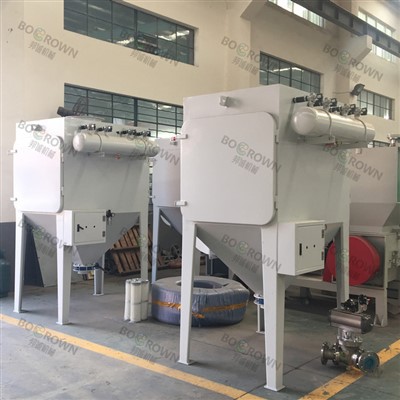
1. Pre – operation Inspection
Before starting the PE Centralized Feeding System, a thorough pre – operation inspection is crucial.
- Equipment Integrity: Check all the components of the system, including the feeding hoppers, pipes, conveyors, and control panels. Look for any signs of damage, such as cracks in the hoppers or loose connections in the pipes. Ensure that all moving parts are properly lubricated and can move freely. For example, the bearings of the conveyor belts should be well – lubricated to reduce friction and prevent premature wear.
- Material Compatibility: Confirm that the PE material to be fed into the system is compatible with the equipment. Different types of PE may have different melting points, viscosities, and flow characteristics. Using an incompatible material can lead to clogging in the pipes or damage to the system components.
- Power Supply and Control Settings: Verify that the power supply to the system is stable and within the specified voltage range. Check the control settings on the control panel, such as the feeding speed, feeding time, and temperature settings. These settings should be adjusted according to the specific requirements of the production process.
2. Loading the Material
Once the pre – operation inspection is completed, it is time to load the PE material into the system.
- Proper Loading Method: Use a clean and dry container to transfer the PE material to the feeding hopper. Avoid overloading the hopper, as this can cause blockages and affect the feeding efficiency. If the material has a high moisture content, it is recommended to dry it before loading to prevent issues such as foaming during the processing.
- Monitoring the Loading Process: While loading the material, monitor the level of the material in the hopper. Most modern PE Centralized Feeding Systems are equipped with level sensors that can provide real – time information about the material level. When the material level reaches a certain point, the system may automatically stop the loading process to prevent overflow.
3. Starting the System
After loading the material, it is time to start the PE Centralized Feeding System.
- Initial Startup: Turn on the power switch of the system and allow it to warm up for a few minutes. This is especially important for systems with heating elements, such as those used in processes that require the melting of PE. During the warm – up period, the system will reach the appropriate operating temperature, which is essential for the smooth flow of the material.
- Gradual Increase of Feeding Speed: Start the feeding process at a low speed and gradually increase it to the desired level. This helps to prevent sudden surges in the material flow, which can cause blockages or uneven feeding. Monitor the system closely during this process to ensure that everything is working properly.
4. Monitoring the Operation
During the operation of the PE Centralized Feeding System, continuous monitoring is necessary.
- Flow Rate and Pressure: Keep an eye on the flow rate of the PE material through the pipes. The flow rate should be consistent and within the specified range. If the flow rate is too low, it may indicate a blockage in the pipes; if it is too high, it may cause excessive wear on the system components. Additionally, monitor the pressure in the pipes. Abnormal pressure changes can be a sign of problems such as blockages or leaks.
- Temperature: For systems that involve heating, monitor the temperature of the material and the equipment. The temperature should be maintained at the appropriate level to ensure the proper melting and processing of the PE. If the temperature is too high, it can cause the material to degrade; if it is too low, the material may not flow smoothly.
- Noise and Vibration: Listen for any abnormal noise or vibration during the operation of the system. Unusual noise may indicate problems such as loose parts, worn – out bearings, or blockages. Excessive vibration can also be a sign of an imbalance in the system or a problem with the installation.
5. Maintenance and Troubleshooting
Regular maintenance is essential to keep the PE Centralized Feeding System in good working condition.
- Daily Maintenance: Perform daily maintenance tasks such as cleaning the feeding hoppers, checking the belts and chains for tension, and removing any debris from the system. This helps to prevent blockages and ensure the smooth operation of the equipment.
- Periodic Maintenance: Conduct periodic maintenance, such as lubricating the moving parts, inspecting the electrical components, and replacing any worn – out parts. The frequency of periodic maintenance depends on the usage of the system and the manufacturer’s recommendations.
- Troubleshooting: If any problems occur during the operation of the system, such as blockages, leaks, or abnormal noise, it is important to troubleshoot the issue promptly. First, identify the source of the problem by checking the relevant components. For example, if there is a blockage in the pipes, try to clear it using appropriate tools. If the problem persists, contact the technical support team for further assistance.
6. Shutting Down the System
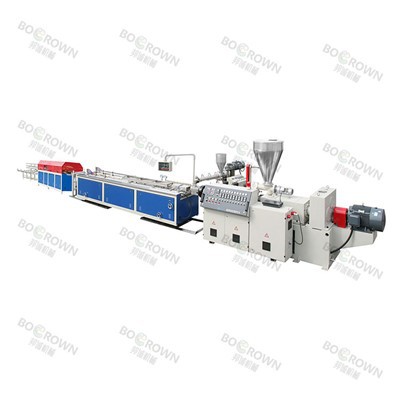
When the production process is completed, it is necessary to shut down the PE Centralized Feeding System properly.
- Stop the Feeding Process: First, stop the feeding of the PE material into the system. This can be done by turning off the feeding mechanism on the control panel.
- Empty the System: Allow the remaining material in the system to be processed or emptied. This helps to prevent the material from solidifying in the pipes and causing blockages during the next startup.
- Turn off the Power: After the system is empty, turn off the power switch of the system. Make sure to follow the proper shutdown procedure to avoid any damage to the equipment.
PVC Grinding Mill In conclusion, operating a PE Centralized Feeding System requires careful attention to detail and proper maintenance. By following the steps outlined above, you can ensure the efficient and safe operation of the system. If you are interested in purchasing a PE Centralized Feeding System or need further advice on its operation, please feel free to contact us. We are committed to providing high – quality products and professional services to meet your needs.
References
- "Plastics Processing Handbook", various authors, a comprehensive guide on plastics processing technologies including the operation of feeding systems.
- Manufacturer’s manuals of PE Centralized Feeding Systems, which provide detailed information on the operation, maintenance, and troubleshooting of specific systems.
ZJG BC Machinery Co., Ltd.
As one of the most professional pe centralized feeding system manufacturers and suppliers in China, we’re featured by quality products and good price. Please rest assured to buy cost-efficient pe centralized feeding system for sale here from our factory. Contact us for custom service and OEM service.
Address: No.8 Lexi Road, Leyu Town, Zhangjiagang City
E-mail: sales@bcextruder.com
WebSite: https://www.bcextruder.com/
