Hey there! I’m a supplier of 1012/2012 spare parts. Over the years, I’ve gotten tons of questions from customers about how to clean these parts properly. So, I thought I’d put together this blog to share some tips and tricks on cleaning 1012/2012 spare parts. 1012/2012 Spare Parts

Why Cleaning 1012/2012 Spare Parts is Important
First off, let’s talk about why cleaning these parts is so crucial. 1012/2012 spare parts are often used in machinery and equipment. Over time, dirt, grease, and other contaminants can build up on these parts. This buildup can cause all sorts of problems. For example, it can reduce the efficiency of the parts, lead to increased wear and tear, and even cause malfunctions. By keeping these parts clean, you can extend their lifespan, improve their performance, and save yourself a lot of money in the long run.
Tools and Materials You’ll Need
Before you start cleaning, you’ll need to gather some tools and materials. Here’s a list of what you’ll typically need:
- Cleaning Solvent: You can use a commercial parts cleaner or a homemade solution. For a homemade option, a mixture of water and mild detergent can work well for light cleaning. For heavier grease and grime, you might want to use a solvent like mineral spirits. Just make sure to use it in a well – ventilated area.
- Brushes: Different types of brushes are useful. A soft – bristled brush is great for delicate parts or for getting into small crevices. A stiff – bristled brush can be used for tougher cleaning jobs on more robust parts.
- Rags or Towels: You’ll need these to dry the parts after cleaning. Microfiber towels are a good choice as they are absorbent and won’t leave lint behind.
- Safety Gear: Gloves are a must to protect your hands from the cleaning solvent. Safety glasses are also recommended to prevent any splashes from getting into your eyes.
Step – by – Step Cleaning Process
Step 1: Inspection
Before you start cleaning, take a good look at the 1012/2012 spare parts. Check for any visible signs of damage, such as cracks or chips. If you notice any damage, it’s important to decide whether the part can still be used or if it needs to be replaced. Also, note the areas that are particularly dirty or have a lot of buildup.
Step 2: Pre – Cleaning
If the parts are extremely dirty, you might want to do a pre – cleaning. This can involve using a dry brush to remove any loose dirt or debris. You can also use compressed air to blow out any dirt from hard – to – reach areas.
Step 3: Soaking
Fill a container with the cleaning solvent. Make sure the container is large enough to fully submerge the parts. Place the parts in the solvent and let them soak for a while. The soaking time will depend on how dirty the parts are. For light dirt, 15 – 20 minutes might be enough. For heavy grease and grime, you might need to soak the parts for an hour or more.
Step 4: Scrubbing
After soaking, take the parts out of the solvent and use the brushes to scrub them. Start with the soft – bristled brush and use gentle strokes. If there are still stubborn spots, you can switch to the stiff – bristled brush. Be careful not to scrub too hard, especially on delicate parts, as this could cause damage.
Step 5: Rinsing
Once you’ve scrubbed the parts, rinse them thoroughly with clean water. Make sure to remove all traces of the cleaning solvent. You can use a hose or a bucket of water for rinsing.
Step 6: Drying
Use the rags or towels to dry the parts. You can also let them air – dry if you have the time. Make sure the parts are completely dry before you reinstall them.
Special Considerations for Different Types of 1012/2012 Spare Parts
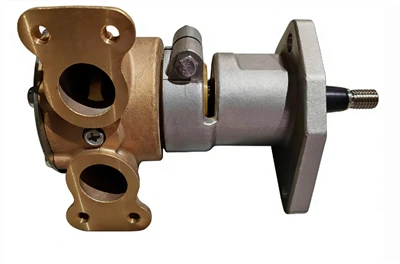
Not all 1012/2012 spare parts are the same, and different parts might require special cleaning methods.
- Metal Parts: Metal parts are common in 1012/2012 equipment. For these parts, you need to be careful about rust. After cleaning, you can apply a light coat of oil to prevent rusting. If the metal part has a painted surface, be gentle when cleaning to avoid scratching the paint.
- Plastic Parts: Plastic parts can be more delicate. Avoid using harsh solvents that could damage the plastic. A mild soap and water solution is usually sufficient for cleaning plastic parts. Also, don’t use abrasive brushes on plastic, as they can scratch the surface.
- Rubber Seals and Gaskets: These parts need to be cleaned carefully to avoid damage. Use a mild cleaning solution and a soft brush. Make sure to dry them thoroughly to prevent mold or mildew growth.
Tips for Maintaining Clean 1012/2012 Spare Parts
- Regular Cleaning Schedule: Set up a regular cleaning schedule for your 1012/2012 spare parts. This can prevent dirt and grime from building up over time.
- Proper Storage: Store the parts in a clean, dry place. This can help keep them clean and prevent damage.
- Use Protective Covers: If possible, use protective covers on the parts when they’re not in use. This can prevent dust and debris from accumulating on the parts.
Conclusion
1015/2015 Spare Parts Cleaning 1012/2012 spare parts is an important part of maintaining your machinery and equipment. By following the steps and tips I’ve shared in this blog, you can keep your parts in top condition. If you have any questions about cleaning or if you’re in the market for high – quality 1012/2012 spare parts, don’t hesitate to reach out. We’re here to help you with all your spare parts needs.
References
- "Maintenance and Cleaning of Industrial Spare Parts" – Industrial Maintenance Handbook
- "Best Practices for Cleaning Machinery Components" – Machinery Maintenance Journal
Xingtai Haoheng Trading Co., Ltd.
Xingtai Haoheng Trading Co., Ltd. is one of the most professional 1012/2012 spare parts manufacturers and suppliers in China, specialized in providing high quality auto parts made in China. We warmly welcome you to wholesale discount 1012/2012 spare parts in stock here from our factory. For customized service, contact us now.
Address: No.88, Quannan Street, Shangquancheng, Xingtai, Hebei, China.
E-mail: Zhang@hauhen.com
WebSite: https://www.xtengineparts.com/
