Troubleshooting problems with dyeing auxiliaries can be a real headache, but as a supplier of dyeing auxiliaries, I’ve seen it all. In this blog, I’ll share some practical tips on how to troubleshoot common issues that you might encounter when using our products. Dyeing Auxiliaries

1. Color Inconsistency
One of the most common problems in dyeing is color inconsistency. This can happen for a variety of reasons.
Incorrect Dosage
If you’re not using the right amount of dyeing auxiliaries, it can lead to color variations. For example, if you use too little of a leveling agent, the dye might not distribute evenly on the fabric, resulting in patches of different colors. On the other hand, using too much can also cause problems, like over – dyeing or affecting the fastness of the color.
To fix this, always follow the recommended dosage on the product label. If you’re unsure, you can do a small test batch first. Take a small piece of the fabric you’re going to dye and use different dosages of the auxiliary. Then compare the results to see which one gives you the best color consistency.
Temperature and Time
The temperature and time during the dyeing process are crucial. Different dyes and auxiliaries have different optimal temperature and time requirements. If the temperature is too low, the dye might not react properly with the fabric, leading to a lighter color. If it’s too high, the dye might break down or cause the fabric to shrink.
Make sure you have a good thermometer to monitor the temperature accurately. Also, set a timer to ensure that you’re dyeing for the right amount of time. If you’re using a new dye or auxiliary, it’s a good idea to do some research or consult with us to find out the ideal temperature and time settings.
Water Quality
The quality of the water you use in the dyeing process can also affect the color. Hard water, which contains a lot of minerals like calcium and magnesium, can react with the dye and auxiliaries, causing color changes.
You can use a water softener to remove the minerals from the water. If you don’t have a water softener, you can also use distilled water for a more consistent result.
2. Poor Fastness
Fastness refers to how well the color stays on the fabric after washing, rubbing, or exposure to light. If the fastness is poor, the color will fade quickly.
Inadequate Fixation
Some dyeing auxiliaries are used to fix the dye to the fabric. If you don’t use enough of these fixatives or if the fixation process is not done correctly, the dye might not bond well with the fabric.
To improve fixation, make sure you’re using the right type and amount of fixative. Follow the instructions carefully, including the temperature and time for the fixation process. You can also do a fastness test on a small piece of fabric before dyeing the whole batch.
Dye Selection
The type of dye you choose can also affect the fastness. Some dyes are more fade – resistant than others. When selecting a dye, consider the end – use of the fabric. For example, if the fabric is going to be exposed to a lot of sunlight, choose a dye with good light fastness.
3. Foaming Issues
Foaming can be a problem during the dyeing process. Excessive foam can make it difficult to control the dyeing process and can also lead to uneven dyeing.
Surfactant Issues
Surfactants are often used in dyeing auxiliaries to improve wetting and dispersion. However, some surfactants can cause excessive foaming. If you’re experiencing foaming problems, check the type of surfactant in the auxiliary.
You can try using an anti – foaming agent. There are different types of anti – foaming agents available, and you need to choose the one that is compatible with your dyeing system. Add the anti – foaming agent in the right amount according to the instructions.
Agitation
Over – agitation during the dyeing process can also cause foaming. Make sure you’re using the right speed and method of agitation. If you’re using a machine, adjust the settings to avoid excessive churning.
4. Compatibility Problems
Sometimes, different dyeing auxiliaries might not be compatible with each other. This can lead to precipitation, flocculation, or other chemical reactions that affect the dyeing process.
Testing Compatibility
Before using multiple auxiliaries together, it’s a good idea to do a compatibility test. Mix small amounts of the auxiliaries in a test tube or beaker and observe if there are any signs of reaction, such as cloudiness or precipitation.
If you find that two auxiliaries are not compatible, you might need to adjust the order of addition or choose alternative products.
Chemical Reactions
Some auxiliaries might react with the dye or other chemicals in the dyeing bath. For example, an acidic auxiliary might react with a basic dye. Make sure you understand the chemical properties of the products you’re using and avoid mixing incompatible substances.
5. Equipment – Related Issues
The equipment you use in the dyeing process can also cause problems.
Dyeing Machine Maintenance
A poorly maintained dyeing machine can lead to uneven dyeing. Make sure the machine is clean and in good working condition. Check the nozzles, pumps, and other components regularly for blockages or malfunctions.
If you notice any problems with the machine, such as leaks or uneven heating, get it repaired as soon as possible. A malfunctioning machine can waste a lot of dye and auxiliaries and result in poor – quality dyeing.
Measuring Tools
Accurate measurement is crucial in the dyeing process. If your measuring tools, such as scales or pipettes, are not accurate, you might use the wrong amount of auxiliaries.
Calibrate your measuring tools regularly to ensure accurate measurements. If you’re using a digital scale, make sure it’s properly calibrated according to the manufacturer’s instructions.
In conclusion, troubleshooting problems with dyeing auxiliaries requires a combination of knowledge, experience, and careful observation. By following these tips, you can minimize the problems and achieve better dyeing results.
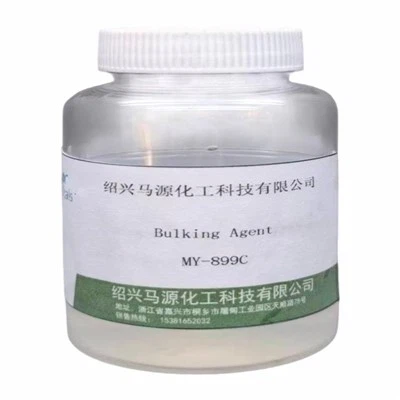
If you’re facing any issues with our dyeing auxiliaries or need more advice on troubleshooting, don’t hesitate to get in touch with us. We’re here to help you make the most of our products and ensure a successful dyeing process. Whether you’re a small – scale dyer or a large – scale textile manufacturer, we have the right solutions for you. Contact us today to discuss your specific needs and start a fruitful business relationship.
Finishing Agent References:
- Textile Dyeing and Finishing Handbook, various authors
- Journal of Textile Science and Engineering, multiple issues
Shaoxing Mayor Chemical & Technology Co., Ltd.
We are one of the most reliable dyeing auxiliaries manufacturers and suppliers in China, specialized in providing high quality products with low price. We warmly welcome you to buy discount dyeing auxiliaries for sale here from our factory. For pricelist, contact us now.
Address: No. 78, Tianshun Road, Tudian Industrial Park, Tongxiang City, Jiaxing City, Zhejiang Province, China
E-mail: 627249875@qq.com
WebSite: https://www.mayorchemicals.com/
